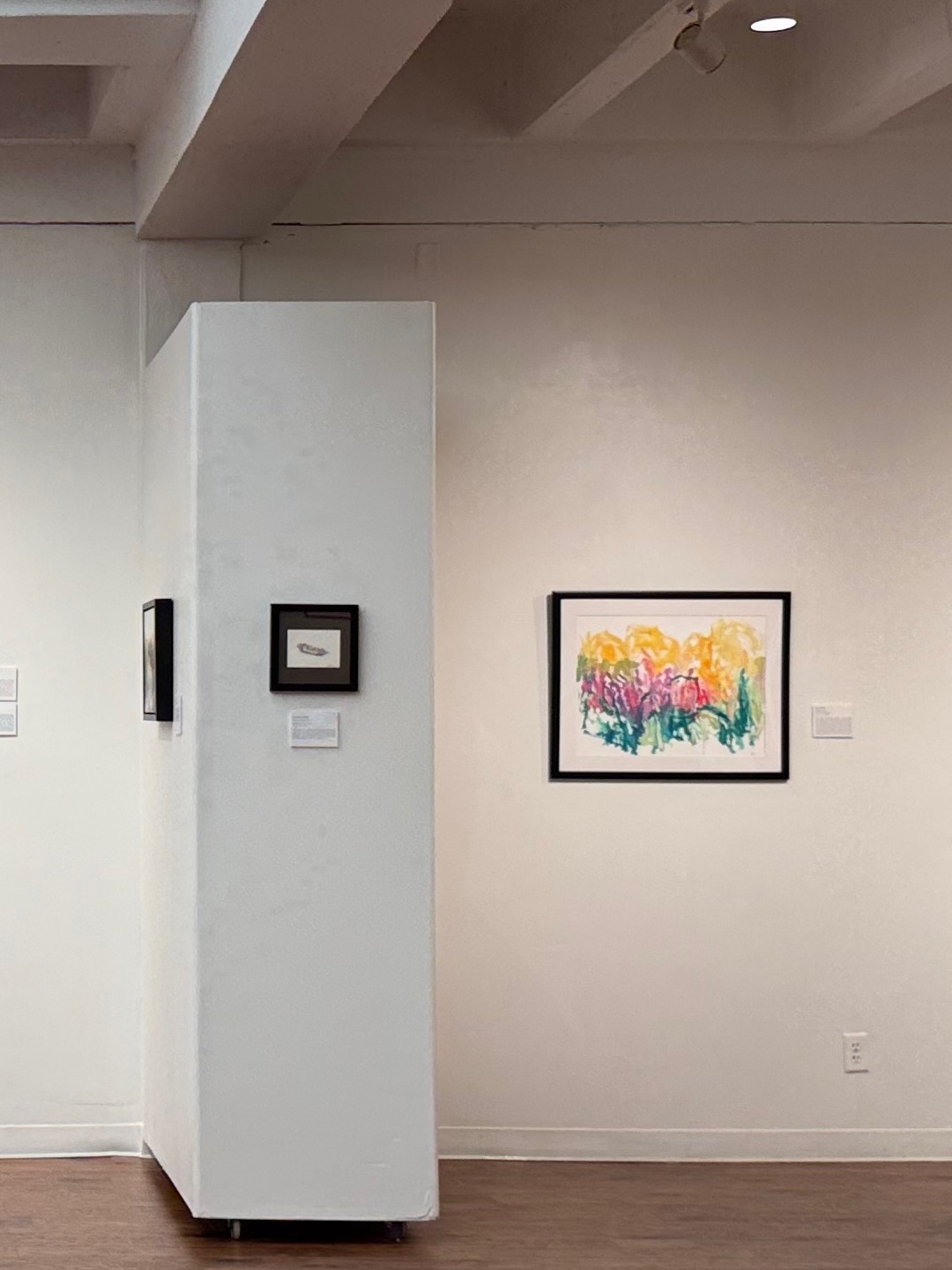
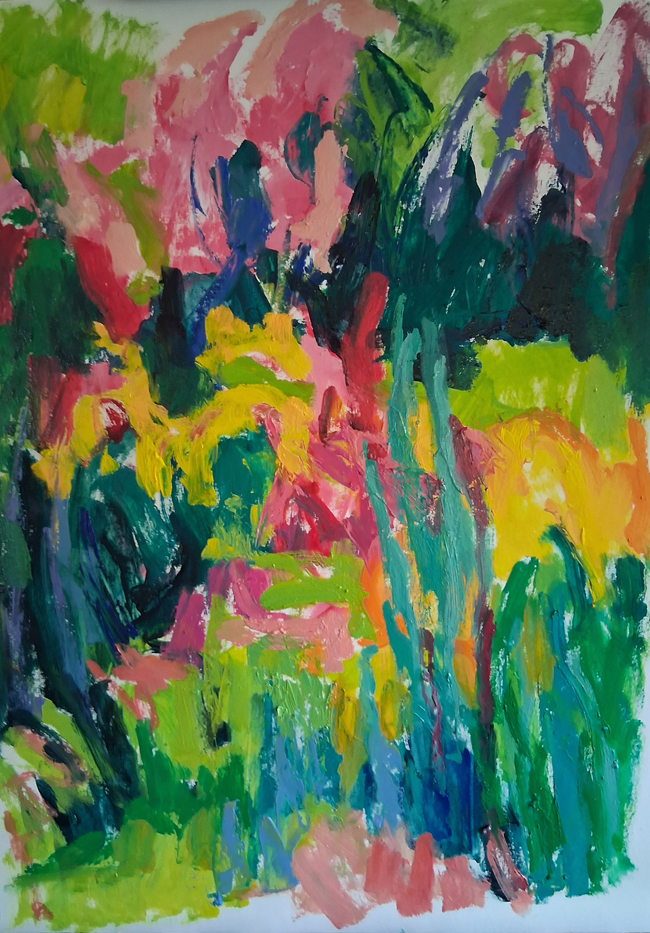
One of my older and quite large paintings will be shown in a local group exhibit here in Avondale Estates, at the wonderful Avondale Arts Center space headed up by founder Isadora Pennington and a cadre of devoted volunteers. The building is slated to become a hotel in another year or so, so its lifespan is short. But since 2024, Ms. Pennington has energized the arts scene in our small city by holding monthly exhibits in the large and well lit space. My dream for the city since I moved to the area from Poncey Highlands in 1987 has been for a gallery, at least one coffee shop and decent restaurant. City officials and local entrepreneurs like Pennington have made that happen and more, a dream come true.
Unlike most group exhibits (recent works only), this one had no time frame but did have an unusual premise; titled Extremes, it specified works both over and under the sizes of 48in x 48in and/or 8in x 8in. My piece is 72in x 60in, a friend helped to transport the short distance from my house in his open bed pickup. The piece was last shown in 2004 in a 3 person exhibit when I lived in South Bend, renting a panel van to cart paintings to the gallery in a February blizzard.
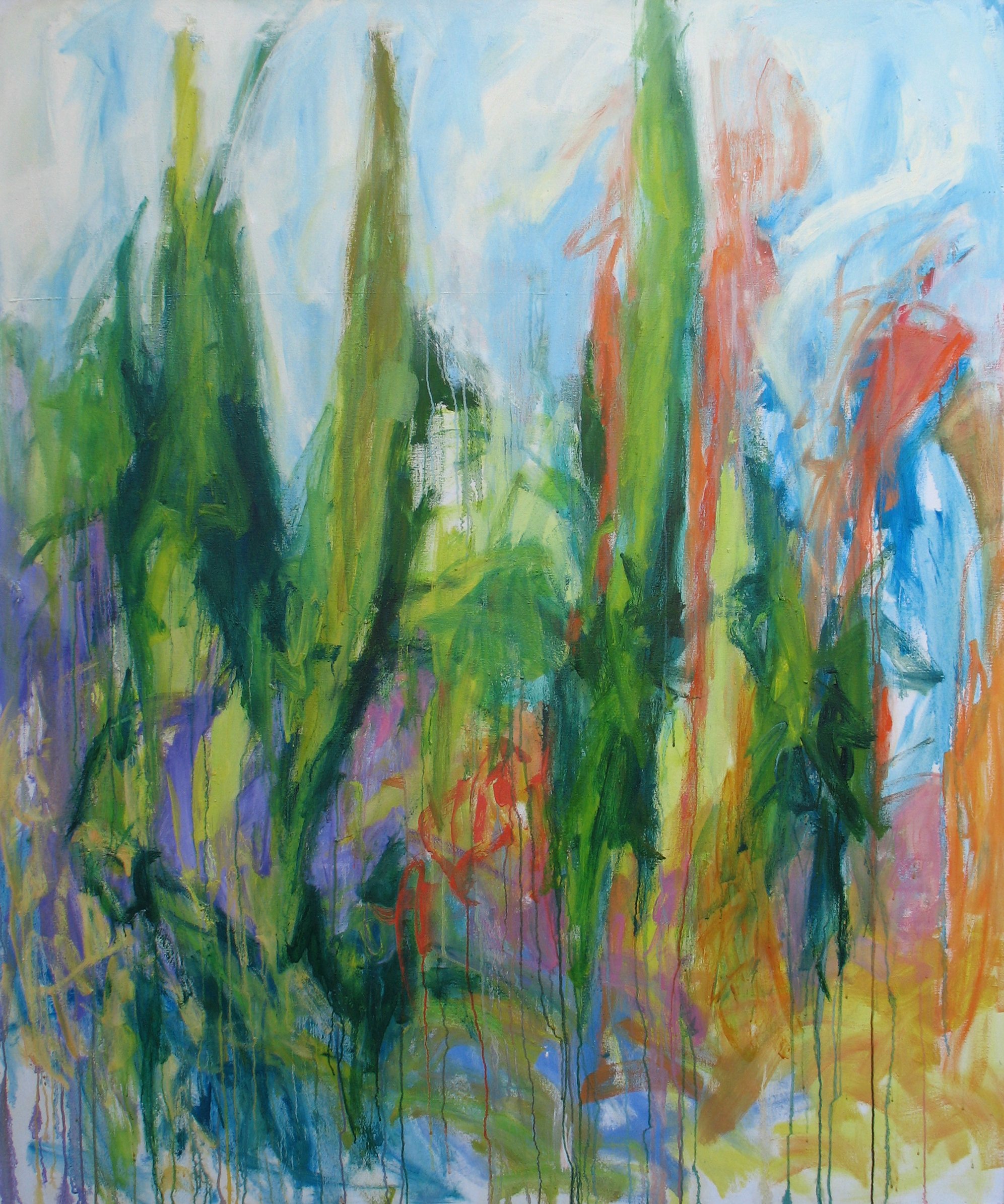
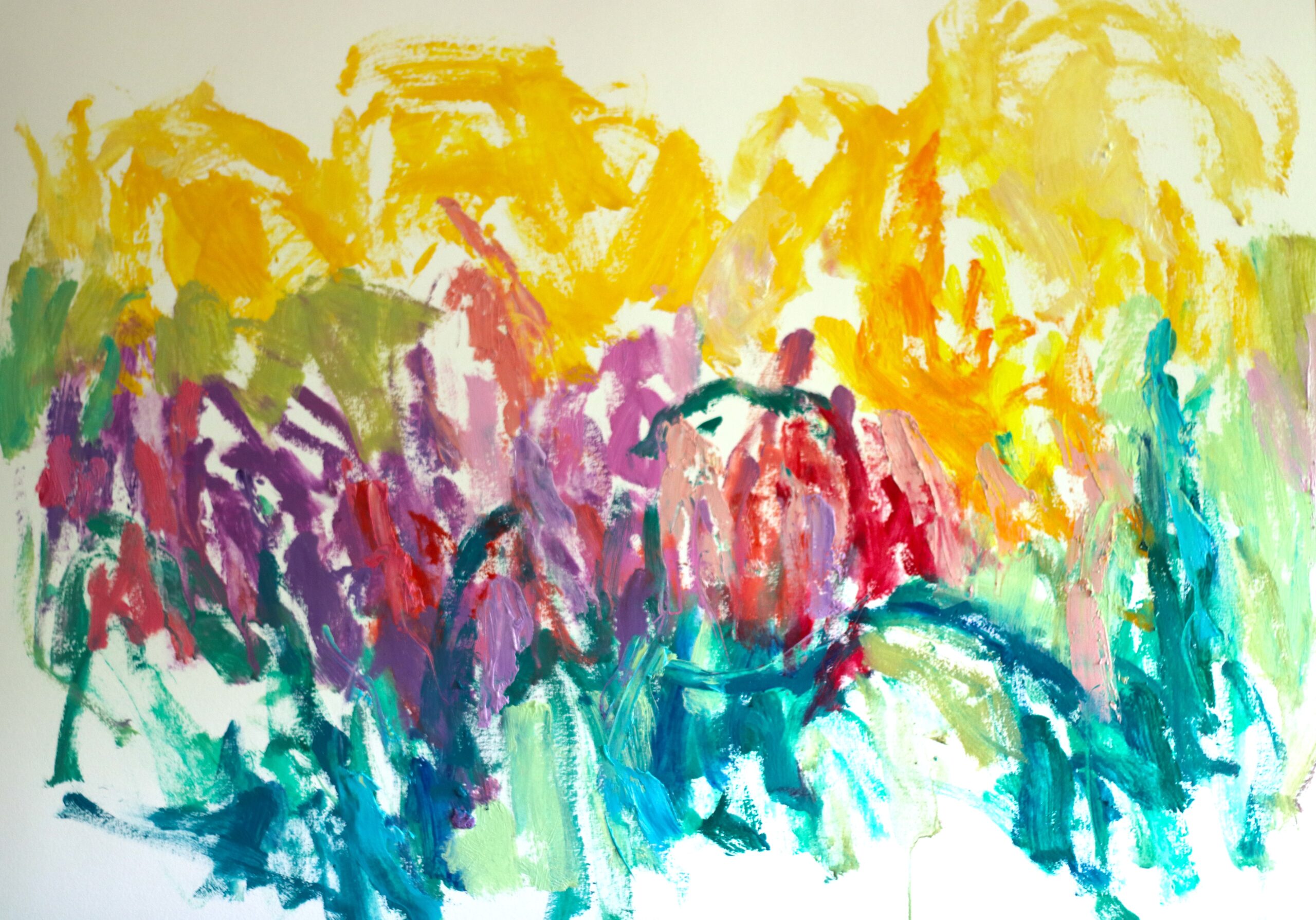
Begun in my garage when I lived in San Francisco, the painting was inspired by my walks three blocks away in the nearby Strybing Gardens in Golden Gate Park. I finalized it after my move to South Bend for a new job, after the dot.com bust.
The painting originated from sketches in the park, like many other works during that period. The title for this one was inspired by walks with Gary, a friend who lived across the street from me in the inner Sunset. We’d met at SF Moma, he’d been following me. He did a great imitation one day of Burt Lancaster in a film whose title I’ve long since forgotten – and I inscribed the painting to him in his honor. Having lost track, there’s probably no way to get it to him at this point and shipping alone would be cost prohibitive.
Succulent Garden, (or Succulents with Burt) 2000-2002, oil/canvas 72in x 60in
The exhibit opens Saturday July 11th, from 6-9pm, and runs through August 22nd. Avondale Arts Center, 84 N Avondale Rd, Avondale Estates, GA 30002.
It’s going to be a long, hot and mostly dry summer if this spring is any indication. So far my gardens have enough plantings (and weeds) to provide for ground cover and good transpiration to survive temporary drought. One tomato seedling sprang up from last year’s plot and is on its way.
‘Consciousness is not something that the painter’s audience can be given, it must be gained, as it is from the painter, from experience. Without ethical consciousness, a painter is only a decorator. Without ethical consciousness, the audience is only sensual, one of aesthetes’. -Robert Motherwell.
I look at paintings and art constantly. A small segment captures emotional content. The artist’s voice, like ethical consciousness, has to be earned.
A recent exhibit at Arts Benicia in their historic 1860 building – my first in the Bay area – surprised me with its range of good work from 60 artists, mostly from California, a few of us from out of state. California continues to produce interesting painters and artists who uniquely respond to their environments. Juror Mark Eanes is Professor Emeritus from the California College of the Arts in San Francisco, where he taught drawing and painting courses for over thirty three years. I’m interested in one of his residencies/workshops offered in the 1947 founded Grand Marais art colony in the northern part of the state bordering Lake Superior. I’d been to Minneapolis in 2005, but never explored points north of the city. My painting has been in a few shows, the box is well traveled.
Quiet Place, oil/Arches oil paper, 16″x12″ 2023
One of my older pieces was in the 2025 exhibit at the McNeese University in Louisiana, curated by Erika Olinger, Owner/Director Cole Pratt Gallery, New Orleans, LA. The link offers a juror’s statement and video of the opening.
Into the Garden, oil/Arches oil paper, 16″x12″ 2022
This recent painting was included at the 2025 exhibit at Shoals Art Invitational Juried Exhibition, Elaine Bailey Augustine Art Gallery, University of North Alabama, AL. Juried by Carlyle Johnson, Professor of art, TN State University.
Foxgloves, oil/Stonehenge oil paper, 18″x24″ 2025
Meanwhile, I’ve spent a couple of months reworking a few older paintings. This one is 20 years old, evidence of the ease of revising in oil.
Spruce, oil/canvas, 32″x24″ 2006-2026
Finally, in an attempt to reduce dependencies on outdated software, I’ve tried out a few AI produced website programs. They all offer clones of other urls, but few can replicate accurately without additional extensive input. I’m still researching, but the AI is lightning fast and if it allows for easy editing, I may go for it.
The political situation at the beginning of August 2025 is not worth alluding to, other than perhaps one of the more relevant pieces in the July issue of NYRB from the Irish journalist Fintan O’Toole. I’ve added the pdf since not many readers probably have a subscription. Many local activist groups have formed to try and keep our elections and various policies from sabotage.
I’m working on a series of oils on paper based on my garden’s native plantings that are now vertical enough to be exciting. Painting and my work with environmentally focused civic and politically motivated groups makes life bearable.
Green Hollow, oil/Stonehenge oil paper, 18″x24″ 2025
One of the more recent groups I’ve joined is the Southeast Beaver Alliance. Among immediate goals is an important one; to educate our local land use officials about beavers and find a way to utilize them in urban environments in lieu of expensive detention ponds and/or man-made dams that ultimately cost taxpayers. With each extreme storm event, my county sees more breached dams on small ponds, lakes. Beavers could be managed to reduce future breaches and for stream restoration. This week a few of us met via Zoom with the Policy and Science Director of the Beaver Institute, a wonderful non-profit organization devoted to ‘restoring ecological balance’ with this amazing creature whose hydrology skills far surpass ours.
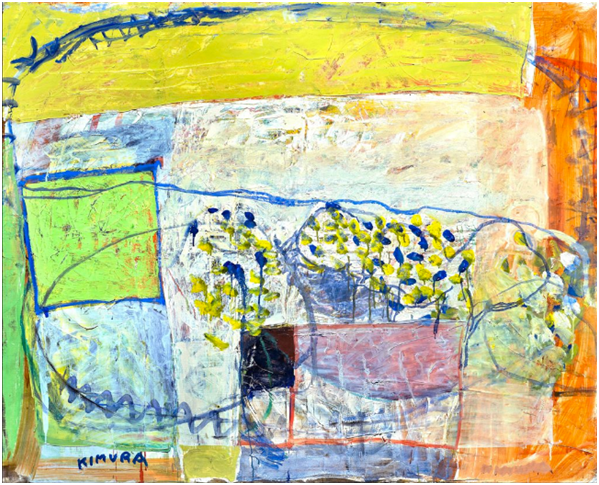
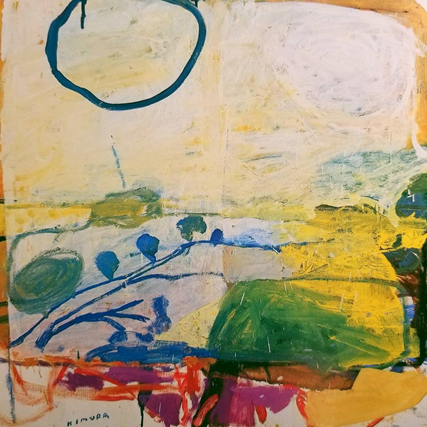
A friend traveling in Switzerland emailed a catalog cover of a wonderful Japanese artist I’d never heard of, Chuta Kimura. At first glance, it was obvious that Bonnard was an influence but I had no idea how much. Until I found an article on someone’s blog written by one of my favorite art critics/writers, Arthur Danto (remember his great essays in the Nation?). Danto nails Kimura’s essence and his work’s relationship to landscape and nature, specifically in the South of France, where he moved with his wife in 1953 to live for the rest of his life. The following images courtesy of this blog.
Juin dans le midi, Chuta Kimura, 1980, 51″x59″
Field, Chuta Kimura, 1984 (Phillips Collection)
I joined a book share about a year ago, a few artists talking about artists’ books. We choose the books and meet every other month at the host’s home to discuss. We’re currently reading Restless Ambition by Cathy Curtis about Grace Hartigan, whose muscular abstracts I’ve always liked, along with her early partner Alfred Leslie’s ab-ex works. More on those two later.
Orchard Street, Grace Hartigan, 1957
Ornette Coleman, Alfred Leslie, 1956
For the month of June, I chose David Salle’s How to See. The link is his talk with Eileen Owens, Suzanne Andrée Curatorial Fellow in Prints, Drawings, and Photographs, Philadelphia Museum of Art about why he wrote the book in 2016. I first saw Salle’s work at the 1983 Whitney Biennial, a trip with my then partner to visit with friends in the city. I had forgotten it must have been my first encounter with Joan Mitchell’s work, since she was included. I was still painting my dreams, abstracted landscapes and was on the verge of heading full tilt into abstraction. I’d also never seen any of the other artists’ work in person, although some were already known in the bright spotlight of the art market. Most were, like me, in their early 30s at the time, Basquiat was just 23. Mitchell was just shy of 60, I’d see her glorious retrospective at the same museum much later, in 2002.
Salle is a wonderful and highly articulate writer on the arts, I’ve read his articles in the New York Review of Books and this book is evidence of his literacy in all things cultural. I especially enjoy his ability to reveal what the artist’s work may say, without any ideology or theory thrown into the mix. In his own words from this video:
“…we all have reactions innately, but we are trained to ignore those reactions in favor of reading the wall label. But the wall label is something that’s been written by professional partisan advocate, so to speak. What we’re told or supposed to be thinking is another way of saying – that’s the artist’s intention. And in contemporary art over the last 40 years or so, the artist’s intention has been privileged over the result… I always tell people I don’t want to know anything about their intention, just not interested….the only thing that matters in art is the absolute specificity of what one does and the inflexion with which one does it.“
That’s certainly a different view from how works are usually discussed at some of the studio tours and informal get togethers here. Process ad nauseum. Who cares, as Salle infers.
I haven’t posted about any shows I’ve participated in for several years, one memorable group show from earlier this spring was the 38th Annual McNeese National Works on Paper exhibit at the Shearman Fine Arts annex, McNeese University, Dept. of Visual Arts, curated by Erika Olinger, owner/director of the Cole Pratt gallery in New Orleans. My 2022 painting on paper, Into the Garden, was included. A fine juror’s talk gave an overview of the space with some of the featured work.
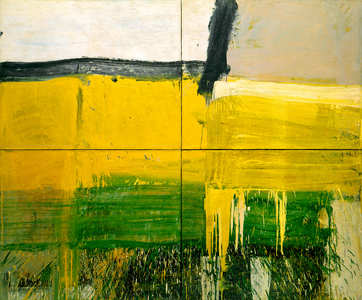
Finally, from the same NYRB July issue comes the excellent review titled I am the Heir to Delacroix written by Jarrett Earnest, of the late under appreciated artist Jack Whitten, with a big posthumous exhibit that ends today at MOMA, NYC. Whitten’s journal, Notes from the Woodshed, will be my contribution to our 2026 artist book club. Interesting to note is that one of the world’s most known artists, Gerhard Richter, didn’t begin his famed squeegee paintings until 1980, a decade after Whitten had already been exploring the style in the early 1970s. Richter doesn’t believe in art’s power and says it only has ‘value’. Whitten would have disagreed.
…prescient advice from December 27, 2017, less than a month before he died:
Art is the only spiritual form that we can depend on. When politics goes amok, when organized religions become political…we can always depend on art to pull us through. We must make sure the arts will survive for the benefit of all. Support the arts without any forms of restrictions. Art is what artist do. And we are the canaries in the coal mines. So all of the artists out there, keep sniffing the air for warning signs of any pollutants…. ART IS OUR COMPASS TO THE COSMOS.
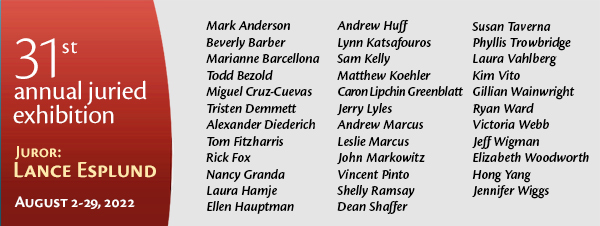
I haven’t posted about any recent exhibits, one I’m in this summer is a juried show at the Bowery Gallery in NYC. The critic and author Lance Esplund curated 35 artists into the group show. Happy to promote it, the link to the work in the show is here, in alphabetical order. If you’re in the Chelsea neighborhood this thursday, drop by. Sadly, I’m unable to attend.
Additionally, very happy to be swimming regularly again since June, fingers crossed that the masks do their job out of the pool. Stay healthy, everyone!
Upcoming exhibition:
For Immediate Release July 2022
Bowery Gallery 31st Annual National Juried Exhibition
Lance Esplund, Juror
August 2 – 20, 2022
Reception: Thursday, August 4, 5-8 pm
Bowery Gallery is pleased to present its annual national juried exhibition, on view at the gallery in its new 27th Street location from August 2 through August 20, 2022. The juror for the show, which comprises two-dimensional works by 35 artists living and working across the United States, is Lance Esplund, author of “The Art of Looking: How to Read Modern and Contemporary Art” (Basic Books). Mr. Esplund is currently an art critic for The Wall Street Journal. He was the U.S. art critic for Bloomberg News; chief art critic for the New York Sun; and the New York correspondent and an editorial board member at Modern Painters. Mr. Esplund has taught at Parsons, Rider University, and Queens College. He has served on a Pulitzer prize committee and been a guest critic at the New York Studio School. Mr. Esplund’s writing on art has appeared in numerous publications, including Air Mail, Art in America, The Atlantic, Harper’s, The New Republic, and Threepenny Review, among others
Gallerygoers will encounter artists showing for the first time in New York, as well as artists in mid-career. The thirty-five artists chosen by Mr. Esplund live in all parts of the US, and they work in oils, watercolor, gouache, pastel, and mixed media. The eclectic mix of styles—abstract and figurative—reflects the approach that has characterized the gallery in its more than fifty years in New York. Bowery exhibitions have been discussed in articles and reviews in publications including The New York Times, The New Yorker, The New Republic, The New Criterion, artcritical.com, Art in America, and Arts.
Another lap regimen interruption due to Omicron’s stealthy and seemingly omnipotent infectiousness. Someone said ‘even a whiff of breath’ while passing by could transmit the disease. For most, it’s rumored to be like a mild flu. But for anyone who endures “nasty head colds” that invariably result in intransigent and chronic bronchial infections, I say no thanks. I’ve hunkered down for the third time in going on three years to wait it out. So far my 2-3 mile walks around the elementary school track a block away have been relatively solitary. If and when kids, dogs and neighbors show up, I move on. Walking through my historic yet developing neighborhood is always interesting, and the hills provide a good workout.
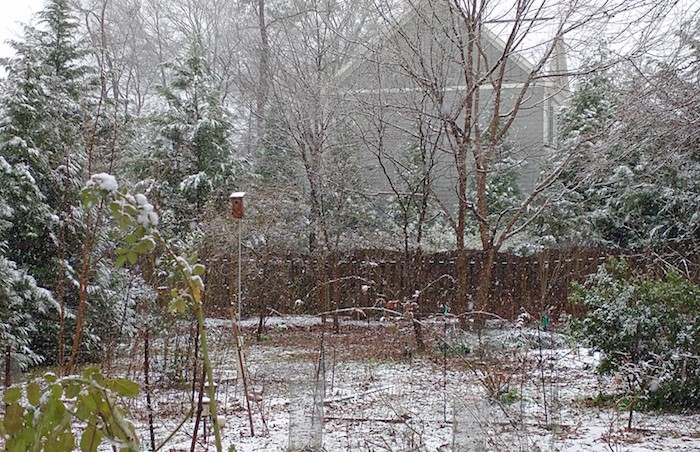
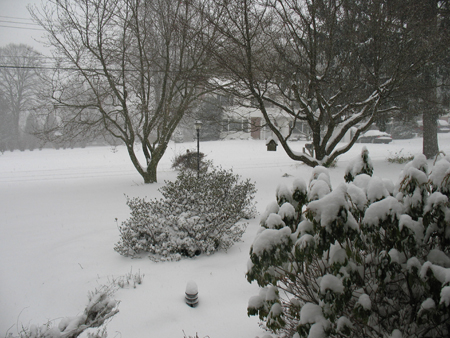
One of the past week’s brisk walks was in windy 35F degree weather, mostly around the school track, with a jaunt through the ongoing subdivision development. That was on a friday, by Sunday morning we had a dusting of wet snow that threatened to shut down the entire state.
Wrens or sparrows, hard to say
The backyard’s bluebird house and evergreens. Avondale Estates, GA
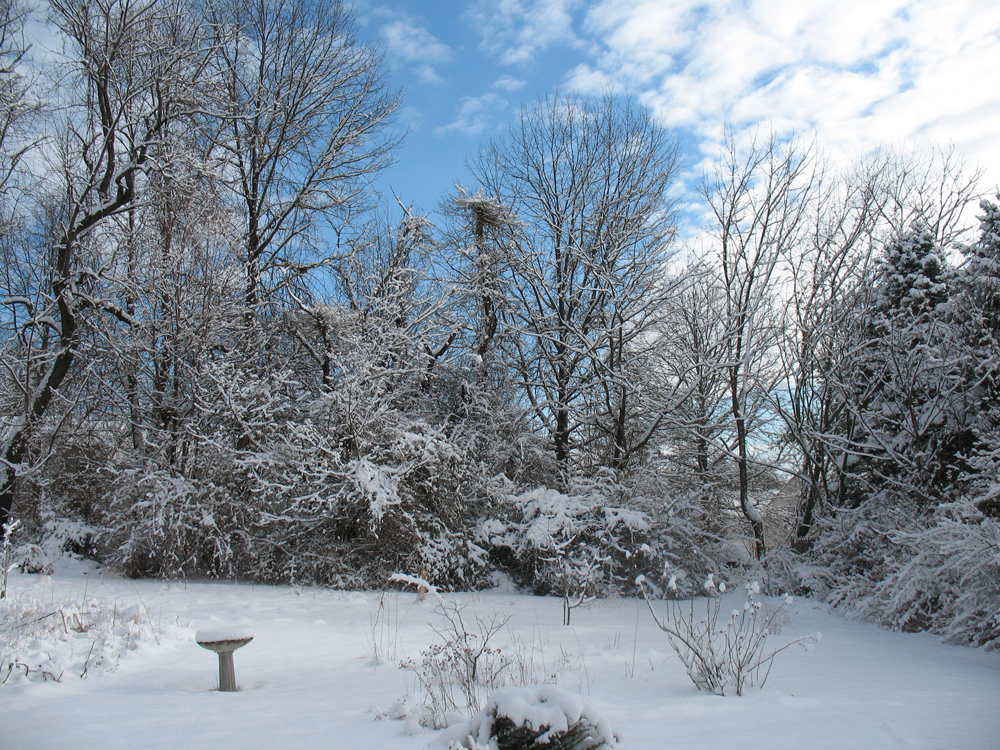
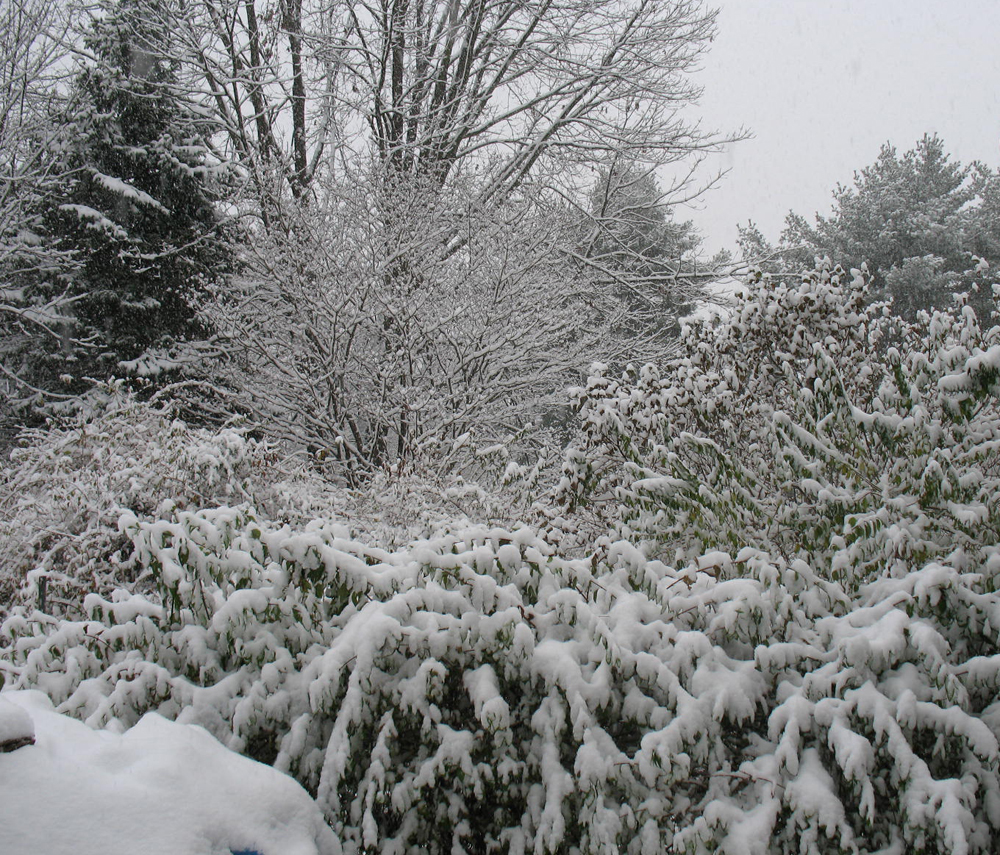
Nothing like the 2-3ft snowstorms I regularly experienced while living in West Chester, PA or South Bend, IN. My now 21 year old LL Bean ‘duck’ boots are mostly relegated to garden work here in metro Atlanta, but one winter they were broken in during a heavy snowfall on a chilly walk to work in South Bend.
West Chester, PA February 2009
Forsythia hedge in February storm, 2009 West Chester, PA
December 2009, West Chester, PA
When I lived in Nova Scotia and Toronto during my twenties, I saw storms that entered the realm of tall tales; the +8ft drifts so high we had to jump out the second story window to dig out the drift piled against the front door. Or when we had to tie ropes around ourselves to walk to the barn to feed the chickens in blizzards – or to the outhouse… That was the same winter that the Volvo wouldn’t start for 3 weeks even though the battery had been plugged into an outlet to stay charged. A pal who lived miles away had to drive out in his 1950 army surplus 4×4 Willys jeep to jump us. The same winter that the cast iron stove cracked from the -50F temps at night when it hadn’t been stoked in over a couple of hours. Ours wasn’t the only wood burning stove that cracked that winter, when the temperature didn’t rise above 0F for over three weeks. The circa 1930 house had no hot running water, spring fed gravity run water was heated in a special compartment in the woodstove. Baths? Picture a dustbowl documentary with families taking baths in galvanized tubs, water heated by the kitchen’s woodstove.
Toronto saw its share of big snows back then, I can remember the downtown financial center blanketed in four to five foot drifts. Commuters switched to mass transit, which was easy; bus and subway lines plentiful even in 1973.
However, a short-lived winter in the South in a house with a new furnace is no comparison to a hay bale banked farmhouse in 1970s Nova Scotia. Even with a pandemic circulating, the perks of civilized urban life are gratifying.
Breaking away from the weather, the last two years have been full of study; plants, fungi and trees, insects. In the silence afforded by our various semi lockdowns, I’ve moved closer to the earth, paid more attention to small movements and sounds. Books on nature have helped inform, so have master gardeners who have been working with native plants far longer than I – who can identify a specific weed or flower in an instant.
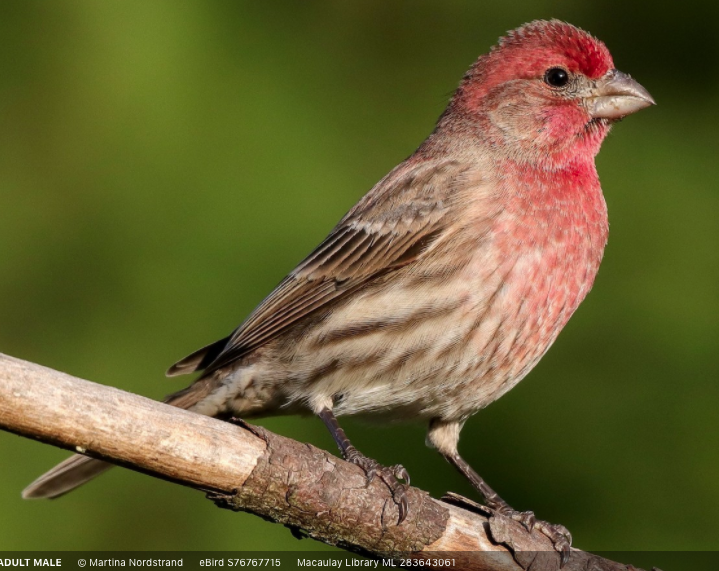
And when it comes to songbirds, I know the ones common to Georgia or birds that migrate through on a yearly basis. I installed a bluebird house years ago, and because up to 44% of Eastern Bluebird males return to the same house/nesting area, the ones I’m currently seeing may be the same couple or relatives. They can live from 6-10 years. Last spring I had three clutches in the house, which was a first. A rose-breasted House Finch, Carpodacus mexicanus, is still a lovely novelty in my yard. I never feed birds past early spring, but they get treated to suet and seed during winter and if a friend gifts me with a bag of mealy worms, the bluebirds are happy.
It’s been about six months since my last post, in mid June I resumed swimming after more than a year’s lapse. By early August the Delta variant interfered. The booster in late September and numbers of cases decreasing in metro Atlanta allowed me to get back in the pool by mid October, now I’m back to my regular just under a mile laps. It’s also been lovely to resume some socializing, although I still haven’t gone to any galleries or visited a museum. The new variant found in South Africa is troubling, especially if it disrupts the lap regimen again.
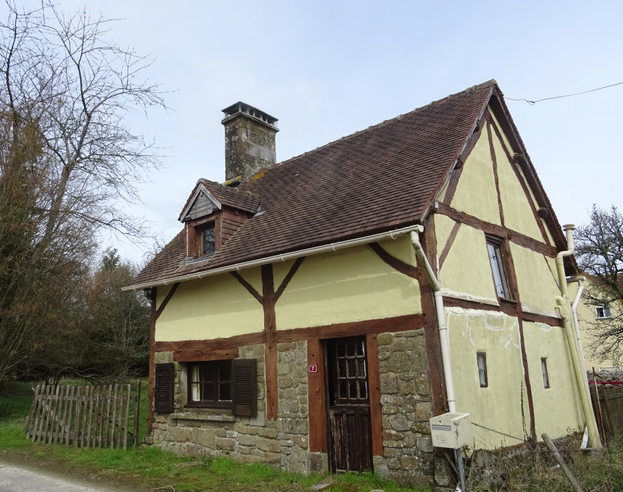
The virus isn’t stopping all plans; two old friends are strategizing on how to make a move, one is heading to France and the other to Italy. Upper Normandy is one friend’s quest for purchasing his first house, which may end up being a historic fixer-upper in some quaint village in Orne or Manche.
Stone house for sale in Échalou, Orne, Normandy
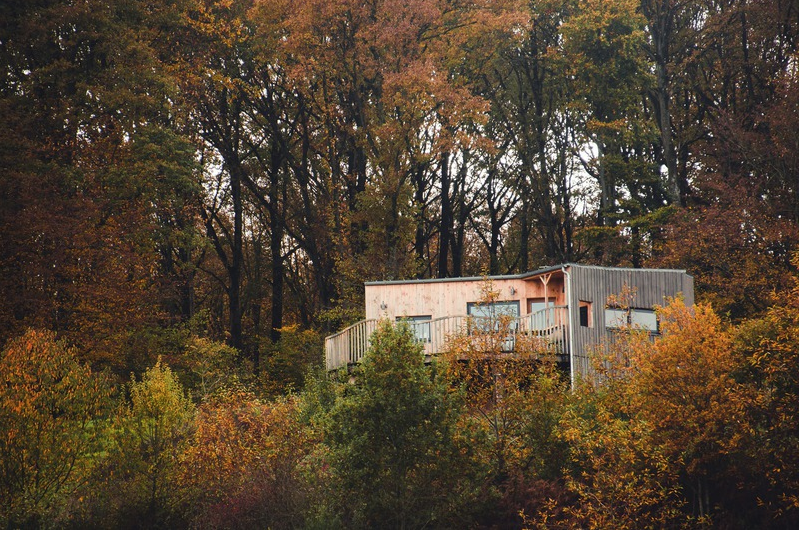
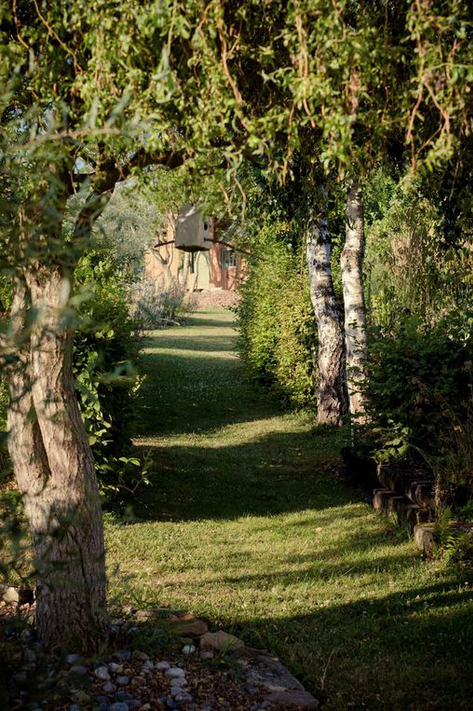
Self-imposed painting residency in Bretagne, here I come! I’ve spent time in Tuscany and Umbria but have never visited rural France. I speak and understand French much better than Italian, but practice ahead will be needed. There is a stunning nature reserve, with a couple of treetop and hilltop rental structures in the Perche, in the beautiful green valley of Bellou-le-Trichard. A perfect base for painting and exploring organic farms in the area, it’s about an hour east of Orne, where my pal is looking to buy. And only a couple of hours south of Paris.
If the virus gives us a break and I can rent out my future ADU (code for painting studio in my backyard), then that might easily cover a month or even a year long European sojourn. I’ve been dreaming about adding a detached studio for years, now seems like the time. During my working years, annual painting trips to coastal areas of the Pacific Northwest, Vancouver Island and mountains of northern British Columbia offered inspiration and experiences that weren’t possible with either friends or partners in tow. My late best friend was a good traveling companion and we met up at jazz festivals in various cities and countries, but sketching with her around was a challenge. Arts residencies are an option, but I’m not always invested in the location. Traveling alone is my preference to be able to paint on site, and a trek to somewhere new has been delayed for too long. The storage facility around the corner can also come in handy, if my house were to be rented out for longer periods.
As for art here in the states, I’ll miss the Titian exhibit at the Isabella Stewart Gardener museum in Boston. Six of his works are on exhibit until Jan 2, 2022 and have not been shown together since the mid 1500s when the artist was commissioned by King Philip II of Spain to produce the series. The Joan Mitchell retrospective is traveling from SFMOMA and ending up in Paris at the Fondation Louis Vuitton in the fall of 2022, which I hope to see. In the Nov. 4 issue of the NYRB, Jed Perl offers an astute and brilliant review of the exhibit. I traveled from South Bend, IN to NYC in 2002 to see Mitchell’s much smaller exhibit at the Whitney, which was stunning. Perl doesn’t seem to be on Twitter but a snippet from the review can be found: “In our all-or-nothing culture, creative work is too often either apotheosized or ignored. You’re a rock star or you’re nothing. The public has little appetite for nuance. This makes it difficult to write about the achievement of Joan Mitchell.â€
The Stanley Whitney video on the SFMOMA website, in which he masterfully describes how Mitchell painted, is a delight. He ‘gets’ what any good colorist sees in Mitchell. As one of my early influences, she’s still relevant. No one can paint like her, no one can summon up the emotional context that so obviously springs from her deep love of nature.
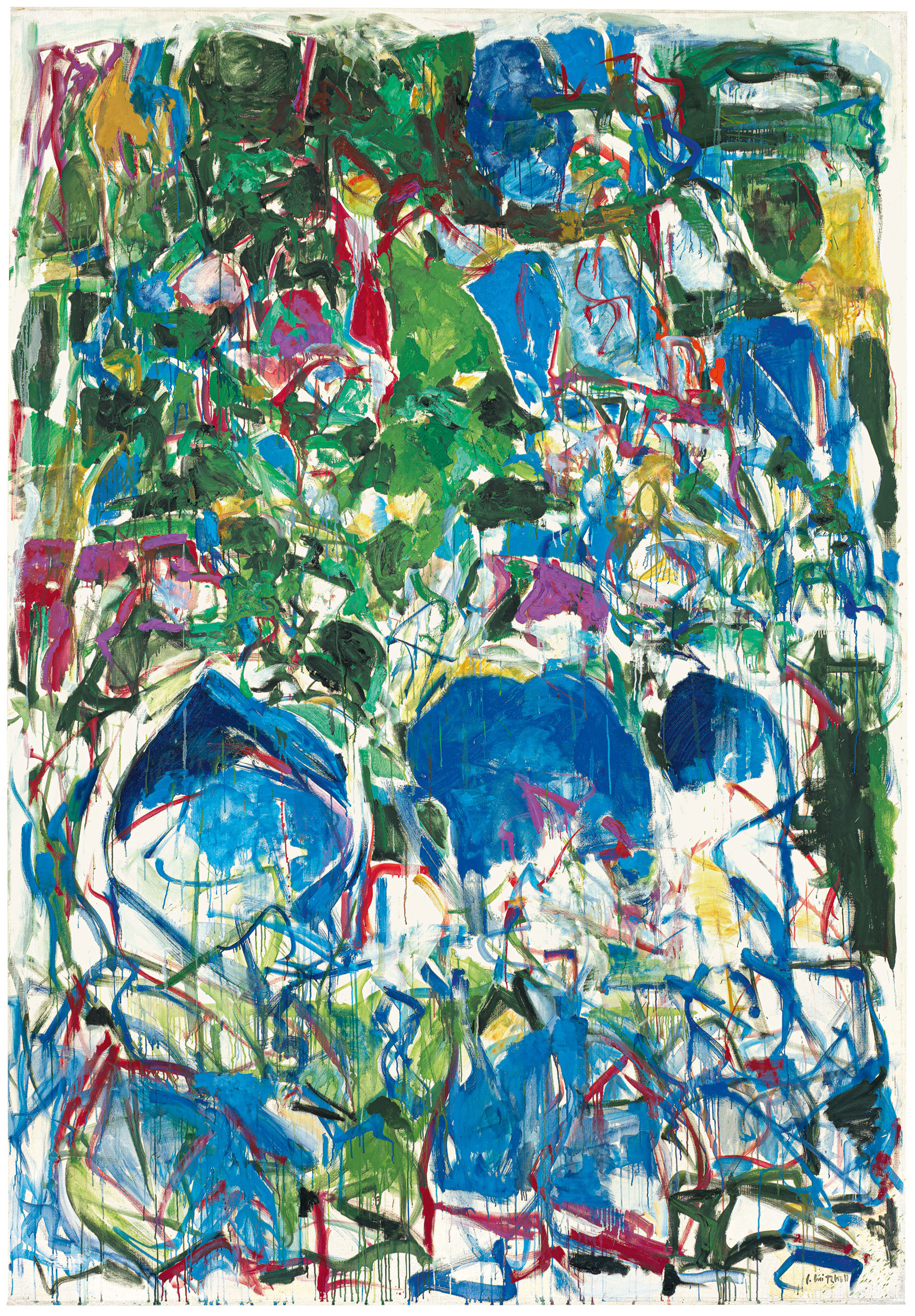
Joan Mitchell, My Landscape II, 1967Joan Mitchell, Sunflowers 1990-1991
It’s been exhilarating to be vigorously exercising again and feeling halfway normal. My painting has suffered productivity issues, but the work has been full of gestural, exuberant colors as if to make up for the slowing of our everyday lives.
One of the better choices I made in the first few months of 2020, was training to become a Master Gardener, courtesy the UGA/DeKalb County Extension program. The classes switched to virtual in early March, the 2o2o class is slated to celebrate our certification this December. Volunteering at the Wylde Center in Decatur has widened my knowledge of native plants and of relationships between cultivation and the wild. For years I’d been yanking out ageratum, a native wildflower and pollinator with tiny blue pincushion tufts – thinking it was a weed. In fact, it was a well adjusted plant in my yard. Even a landscaper friend had urged me to dig up the prolific native pokeweed (Phytolacca americana) in my yard, which many songbirds love for its purple seeds. A Wylde volunteer told me that the plant is revered in parts of Europe and it is beautiful, if deadly poisonous.
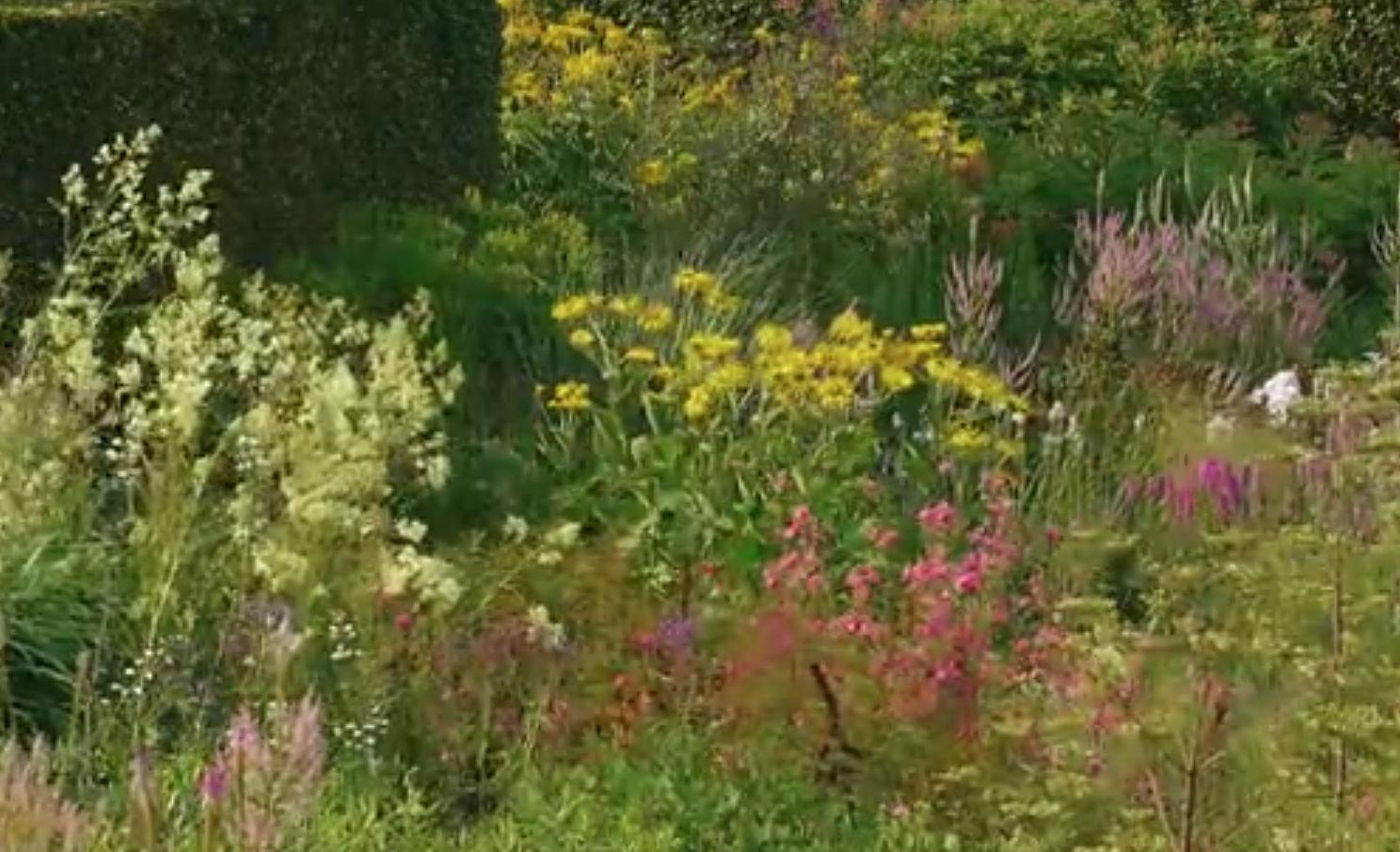
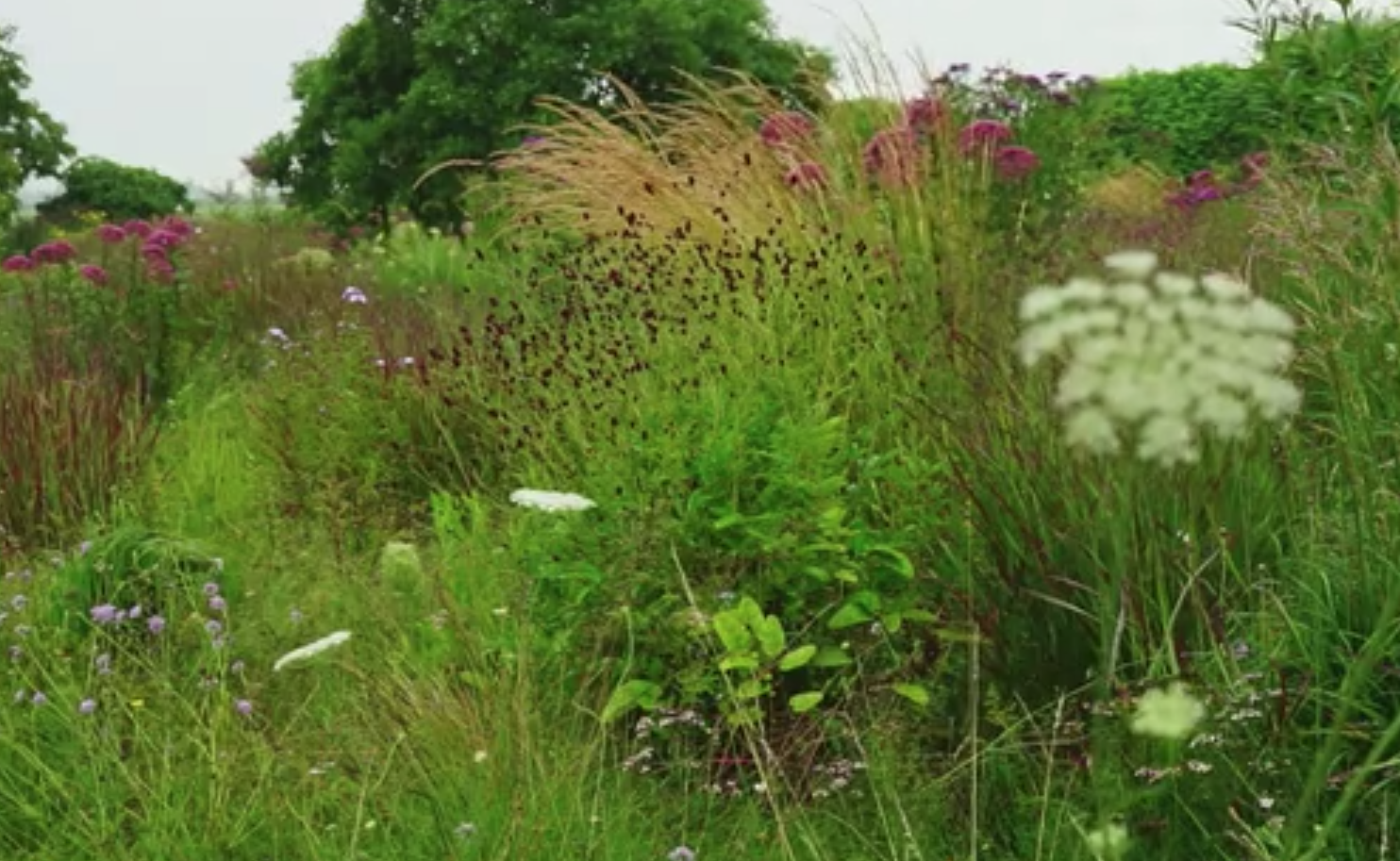
The Wylde team has shared links to various webinars given by experts like entomologist and ecologist Doug Tallamy (based in Chester County, PA, where I lived from 2004-2010), scientist and author Robin Wall Kimmerer, whose latest book, Braiding Sweetgrass, has informed my current less is more approach in my own gardens and yard. Other wonderful zoom presentations included Thomas Piper’s film Five Seasons, on Dutch garden designer Piet Oudolf and the International Plant Exploration program with Scott McMahan of Atlanta Botanical Garden.
Photo courtesy Five Seasons filmPhoto courtesy Five Seasons film
Decades of living and working land organically, next to wild blueberry fields in Nova Scotia or on top of a rocky outcropping in the mountains of western Maine also offered me a unique perspective on nature. My yard in Chester County PA had backed up to a former horse farm and the region had some of the most fertile soils in the world, mollisols. Along with ample rain, it was easy enough to grow almost anything.
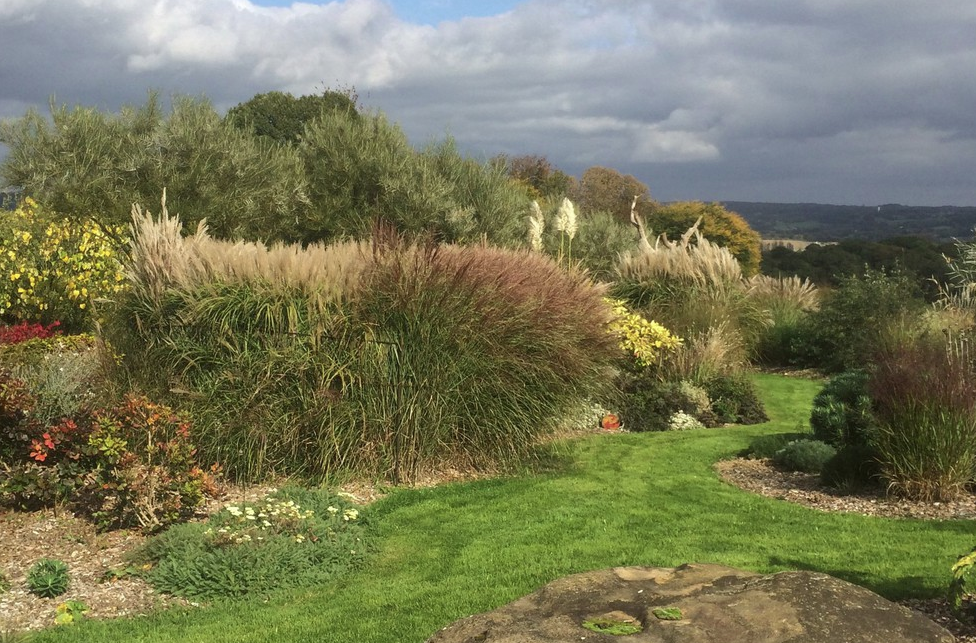
It’s rare that anyone experiences nature closely – unless they’re an artist, botanist or gardener. We tend to engage more often with plants and tiny critters. Looking intently is also the painter’s task, both vocations intersect. As a result, I’ve planted more natives in my yard, intentionally adding verticals for spatial interest, and more variety for color. My bank of studio windows is ideally positioned to view the gardens and backyard. Robin Wall Kimmerer writes beautifully and poetically about seeing and listening to the way rain falls differently from say, cedars or maples or moss, in her book Braiding Sweetgrass. Barry Lopez has a more journalistic and travelogue approach in his last book, Horizon. Both authors pay homage to the natural world in their works. Lopez was an inveterate traveler for most of his life. The drive to experience new ideas, places and vistas seems to be ingrained in most artists and my own wanderlust is on high alert these days.
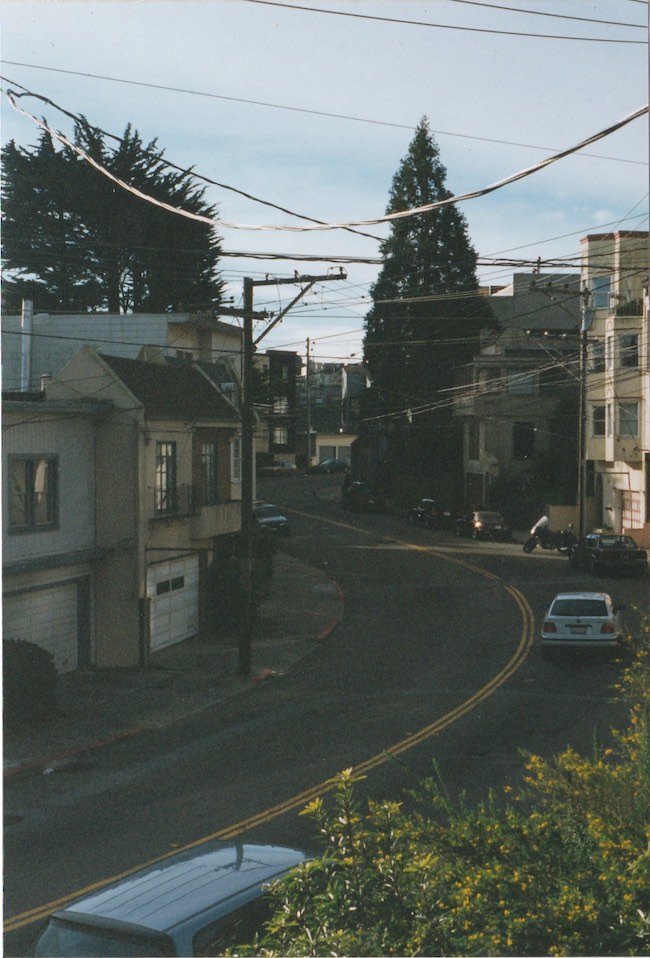
My mom visited me at my invitation in 1997 after I’d recently moved to San Francisco for a job I’d snagged that January, about six months after my gig at the Atlanta Olympic Games had ended. The toss-up was between a higher paying job in NYC or SF, but since I’d had a decade long dream to live in the Bay area, I chose the latter. I was in heaven and at the time blissfully unattached, focused on work and enjoying the city and environs’ spectacular visual beauty. Never wanting to be far away from her children, she slept on my sofa rather than stay in a hotel. At the time I was living in one of the last remaining Victorian houses on Corbett Street in Twin Peaks, still there today and still owned by Daniel Scher, a former promoter and manager for rock impresario Bill Graham. I tracked him down one day about something rent related, and he barked into the phone, ‘how’d you get my number?’
It was a delight to hear the wind off the bay at night and to discover secret staircases that connected small neighborhoods on those peaks high above downtown. If you’re going to live in San Francisco, one of its many hills is the best choice. I ended up in an inner Sunset house my last few years in the city, which was a few blocks from Golden Gate Park and ideal for sketching. The larger paintings that evolved from those sketches remain some of my favorites. For walks and views, though, Mount Davidson and Twin Peaks can’t be beat.
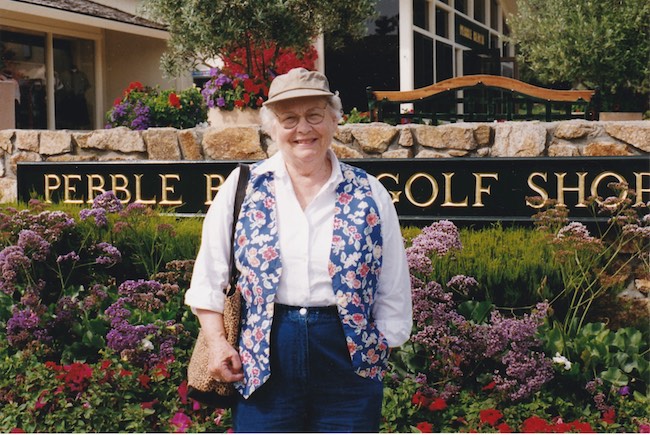
Nina at 74
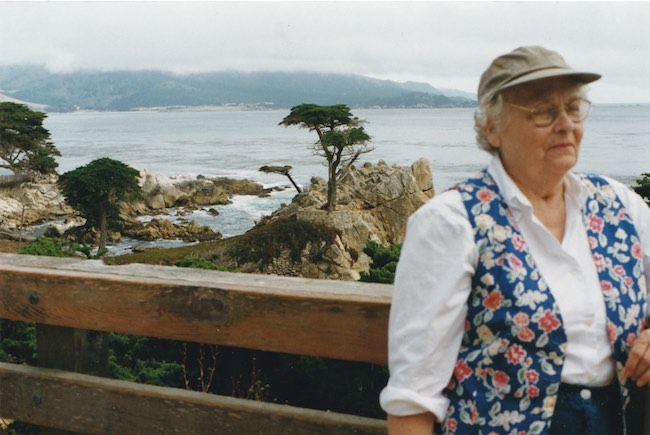
A stop to shoot the view overlooking the 17 mile drive, Pebble Beach, CA
Getting back to our visit, I wanted her to see as much as possible in the week she had with me; we drove down to Big Sur and along the way to the Hearst Castle and the Pebble Beach golf club; she had become an avid and decent golfer in the last 20 years of her life.
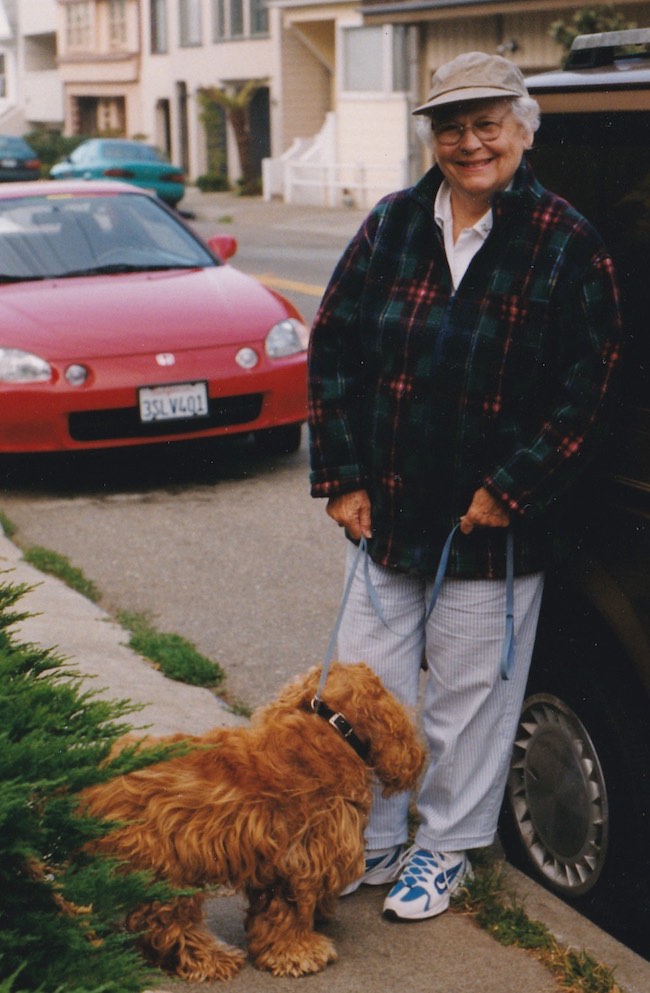
Corbett Street with Casey
A special dinner out was at Chez Panisse in Berkeley, I saved our menu. We didn’t see Alice Waters, but I know that Mom loved the food. Simple, elegant and incredibly fresh.
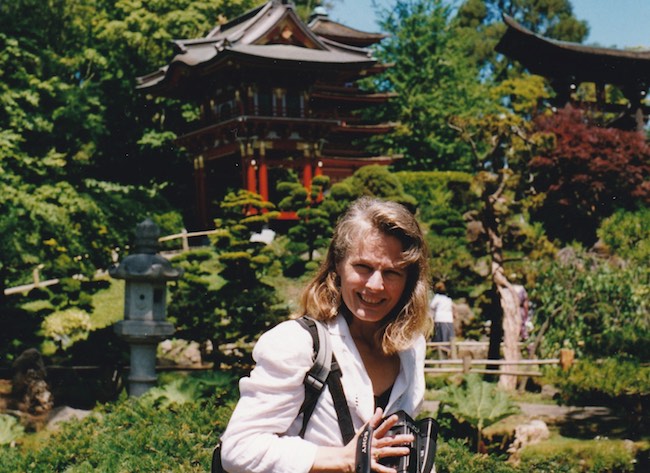
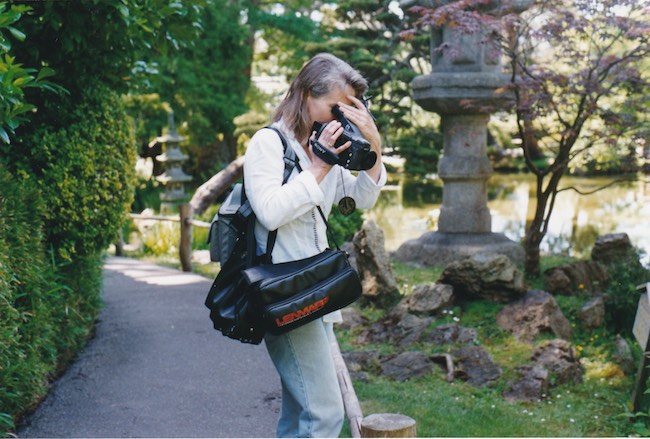
In Golden Gate Park’s Japanese Gardens
Overlooking the famous Lone Cypress on 17 mile drive, Pebble Beach. Mom later did a painting of the scene.
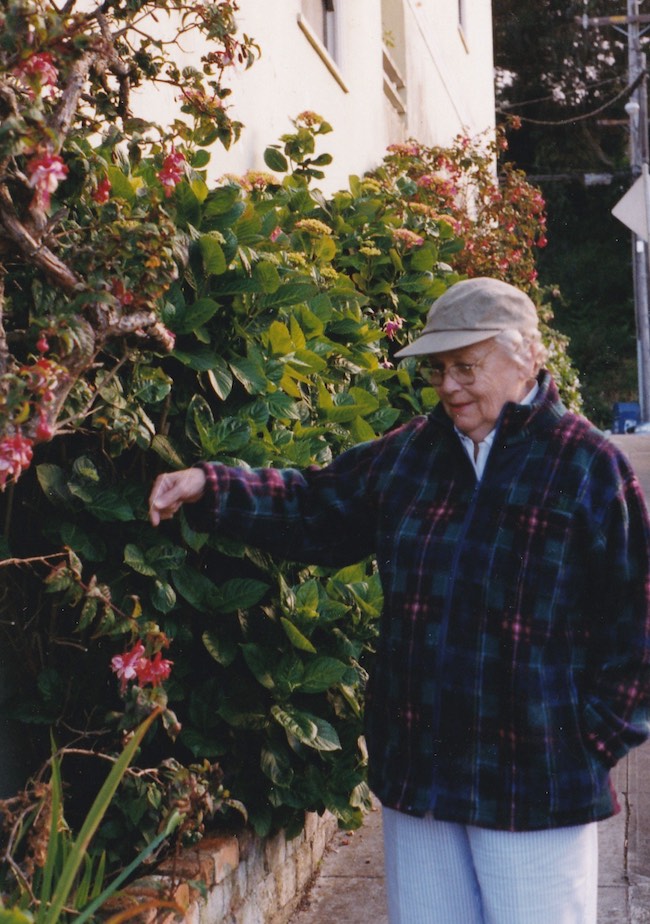
Mom with Bougainvillea that grows freely up walls all over the city
We stayed at the Ventana Inn in Big Sur, where one morning Mom stepped out onto the deck of our room to see a Lynx or Bobcat prowling in the grasses. We toured the Hearst Castle, passing through Carmel and Monterey Bay on the way. The renowned Nepenthe restaurant was a lunch stop combined with amazing views. I have an entire photo album devoted to the trip. We tried to get my sister to fly out and join us, but that year was the first in a succession during which she refused to correspond or speak to me – just one of several mysterious and unresolved communication disruptions that continue to occur in our late adult relationship. She moved down to Atlanta the year after I did in 1976 and has stayed, never living anywhere else. My brother was invited as well, but he has always refused to fly.
My dad had traveled extensively throughout the world during his years in the navy, and relocated from Hollywood to the east coast for his career, where he met my mother in DC. She had not gone a great distance from her hometown outside Winston-Salem, NC – but she went far enough to make a radical change. I followed my father’s route in reverse, with a final move back to Atlanta. Maybe not so final, the adventure of living again in a strange city remains alluring.
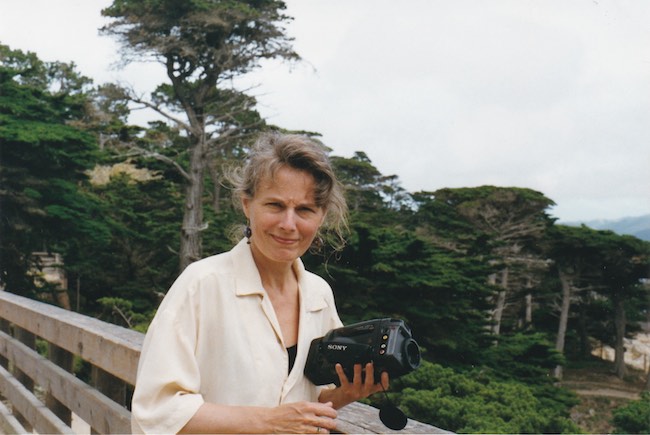
With my hi-8 in Golden Gate Park’s Japanese Gardens
I had wanted to fly my mother to Paris when I took a job as graphics artist with the Goodwill Games a decade earlier in 1986 and worked for a couple of months in Moscow. After the gig, I headed to Amsterdam after the Games to meet my then partner, we did a jaunt to Switzerland and the plan was to have her finally meet up with us in Paris, where she’d never been. Somehow we ended up missing that chance to tour Paris together, and I’ve always regretted it. We did spend shorter trips in Asheville, NC and a few beach vacations to the NC coasts where we’d drive from Raleigh, where she lived at the time, to paint together. I still miss talking to her about art, and although she wasn’t fond of abstract work, her knowledge about painting spoke to her decades of study and practice.
At the time she visited me in San Francisco I was working in SOMA, before it became overly gentrified and when the Mission district was enduring Latino gang war culture conflicts. The dotcom boom was just beginning in the late 90s, it was a different and exciting world. My company, ZDTV, and CNET were the early forerunners of the streaming world we know today, except that both networks were focused on all things computer related. Chat rooms were the equivalent of Facebook and Twitter, our young tech savvy audience was devoted and loved Dev Null, a virtual character, who would banter with the then not so famous Soledad O’Brien.
The trip my mom took to San Francisco was the last time she traveled with me. It was both bittersweet then, and wonderful now because of the memories. Just under five years later the dotcom boom would go bust and I would relocate for a job in the midwest, in Pete Buttigieg’s hometown of South Bend. She was gone in the first few months of that new job. Three years after that I would be offered a job outside Philly in West Chester, PA. The circle of jobs over almost 14 years took me close to my own hometown of Princeton, a little over an hour from where I lived for the next six years.
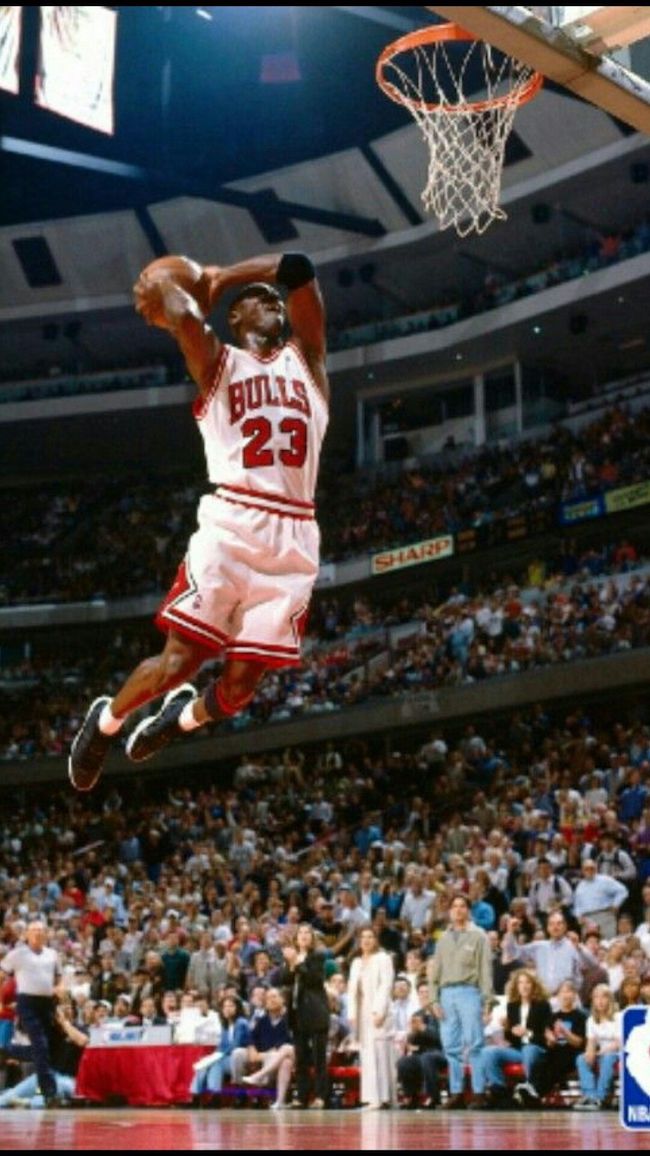
I never would have compared the two fields, except that I finally got around to watching The Last Dance on Netflix. Michael Jordan’s drive and ambition is exactly what most artists – if they ever aspire to any lasting notoriety – have at their core. I had the opportunity to see Jordan play in 1984 while he was still a youngster at UNC and before he became the great MJ. He was riveting, but so were other players in that same game; his teammate at UNC, Matt Doherty, and rival James Worthy from NC State. I still haven’t figured out which game they played and where, but I do remember the names. I have absolutely no interest in most sports, but basketball is fun to watch because it’s fast and dance-like.
Photo courtesy Andy Hayt
Photo courtesy NBA
Jordan had a strong father and mother pushing and supporting him, which evidently made all the difference. His father was especially close and after his death, Jordan takes a break from the sport. It’s questionable whether that model of support applies to the arts, since so many of us have intense parental conflicts that result in similar outcomes. My own father was highly supportive and nudged me into competitive arenas that included music, performing arts and sports. I was a disaster at his sport of tennis, but at least I was a decent swimmer thanks to early lessons as a kid, and the fact that he had a pool built in our backyard when my brother was a toddler. Those California roots gave us some homegrown options. It wasn’t until after he died that I became a lightning fast swimmer with great form. He would have loved that. As for art, if he hadn’t encouraged excellence and an innate ambition, I doubt I would have pursued a career in the field with such persistence. Sadly, he was gravely ill during most of my other two siblings’ formative years. Our mother, although she was a fine painter, was less apt to push any of us to excel. I suspect she thought I had enough of that from enduring advanced placement during middle and high school years in the Princeton public school system.
In watching the documentary, the one outstanding difference between Jordan and other players was his bravery and ability to exist fully in the moment. Someone in the film calls him a mystic. It’s a rare trait to deny failure or weakness, it doesn’t endear others to the person who exhibits that strength. He was seemingly as much beloved as he was despised. His siblings are mostly left out of the portrait, except for one older brother with whom he was excruciatingly competitive. I’m sure he was envied by the under achievers in his own family, those early days set the stage for his later accomplishments.
Sports is a pure form, like dance, in that the body magnifies and exalts the art of movement. There is no contrivance, the craft exists perhaps more in the triangulation of space (as in the ‘triangle offense’). My former painting teachers used to watch tennis for relaxation. I don’t especially enjoy watching sports, but the addiction to movement in swimming, hiking or simply digging in the garden is something I can relate to.
If you’ve never watched The Last Dance, it’s a fascinating look at the inner workings of a sports dynasty, and loads of fun to see the team work together to win those 6 NBA championships.
It’s too bad that when founding our supposed free country we mistakenly assumed that indigenous peoples, large predators and ‘weeds’, all of which we knew very little, needed to be eradicated. We the colonizers merely carried on Britain’s tradition, along with Spain, the Netherlands and every other major power at the time.
Bad developers are a remnant of that original push to colonize, but unlike a great power, their only motivation is profit. They’re more like dysfunctional families. They come into an area with little regard for a community’s character, abuse the environment, and then abandon the project once their goals (profits) have been met. And just as happens within a family, the developer inflicts pain and unnecessary burdens on a community and environs.
However, not all developers are nasty, selfish or passive-aggressive brats. Some actually hire great architects and are learning to work with the environment to protect it. They reach out to the community, ask the right questions and listen. Without being direct, forthcoming and honest, a developer can end up with a community that distrusts them and wants nothing to do with the project. Sometimes the project can go through despite the community’s best efforts, but more often our County Commissioners adhere to the current zoning’s intent; to maintain the integrity and character of the specific neighborhood. Compromises can be made by adding conditions onto the zoning request.
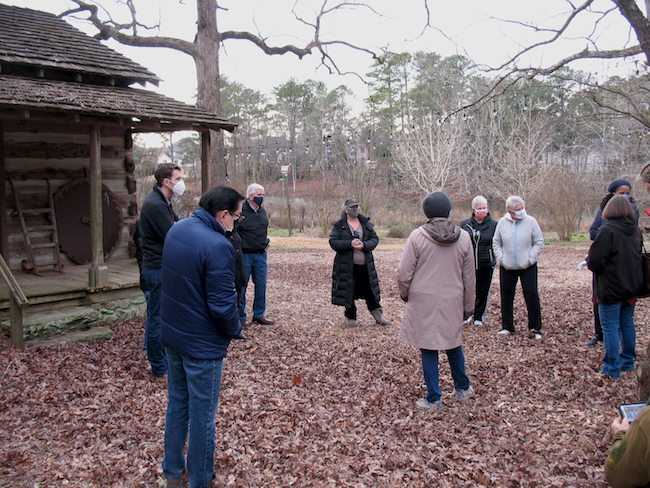
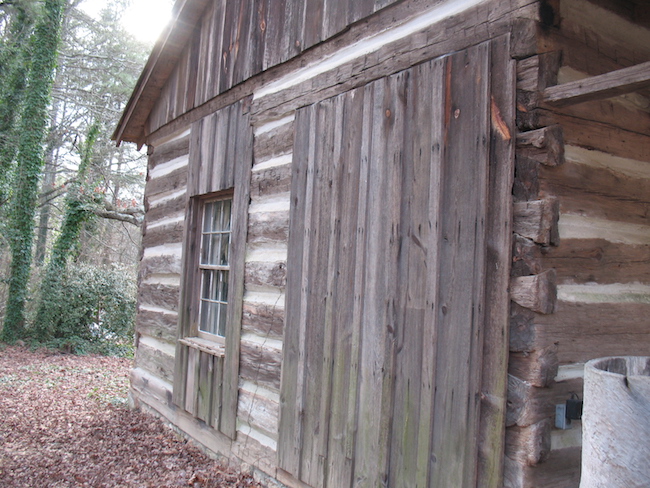
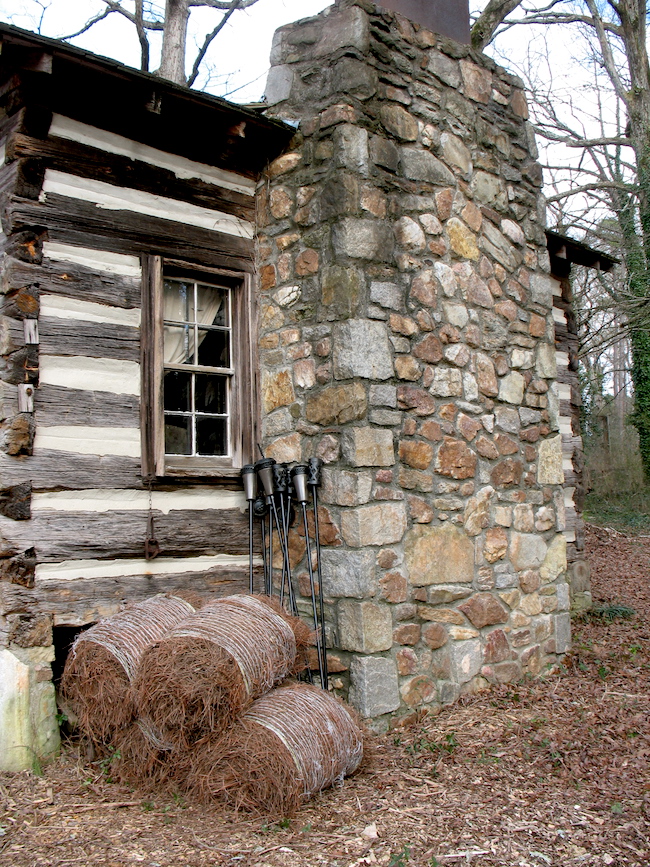
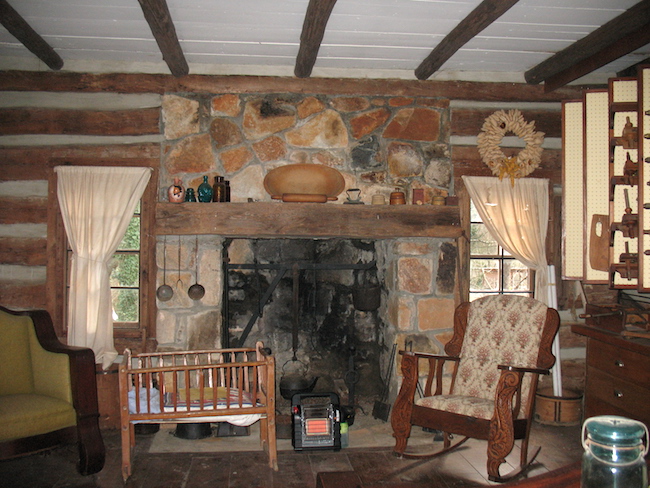
Community meeting Feb. 17, Spivey’s circa 1850 cabin
Fortunately in the latest proposed project just outside Clarkston, the young developer from Chicago seems to fall outside any dysfunctional moniker. He knows resistance is inevitable, but he isn’t cowed by it. He vowed to visit often and keep talking to various spokespeople, and to try and forge an alliance based on compromise and negotiation. I hope those are not simply empty promises, for the environment’s and the community’s sake.
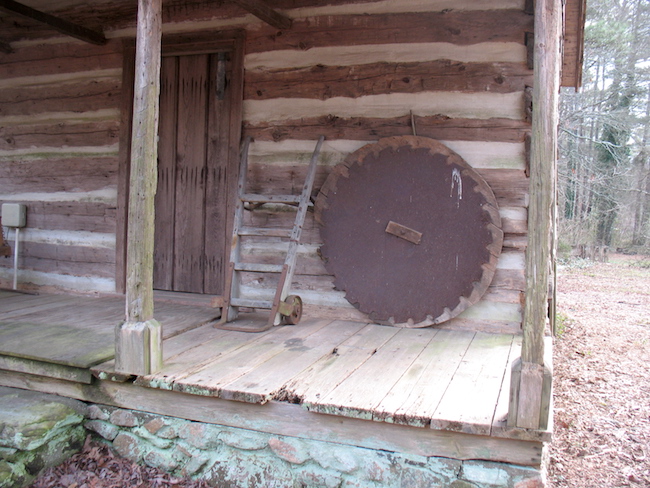
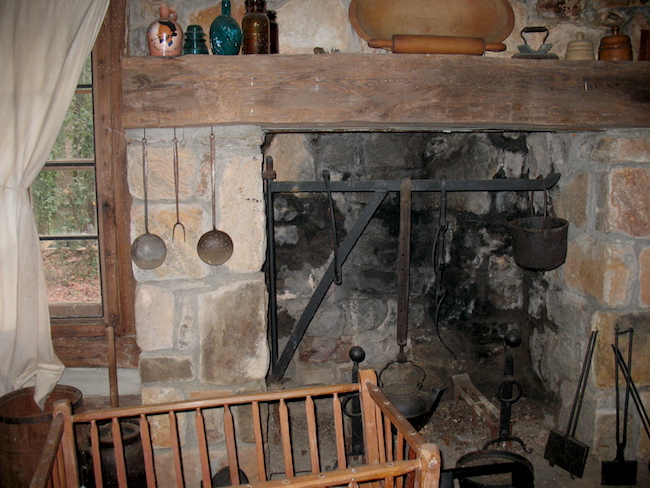
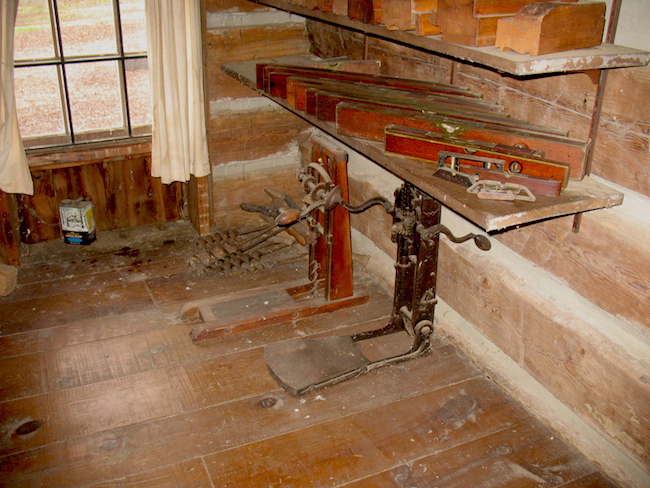
Remnants of an old plow and a large circular sawblade. It could be a Disston blade, made in Philadelphia.
The developer and the remaining Spivey heir agreed to a historical nomination for the cabin
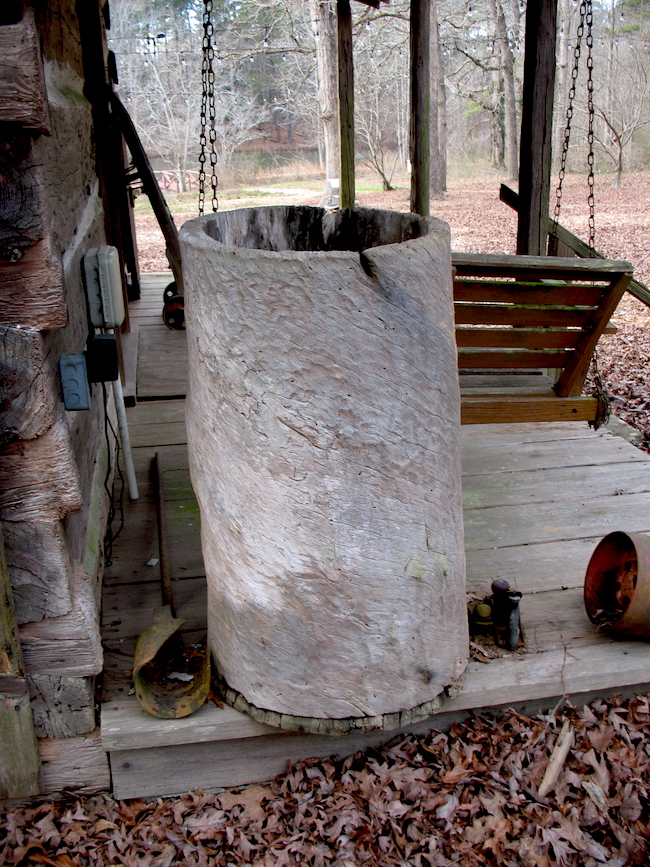
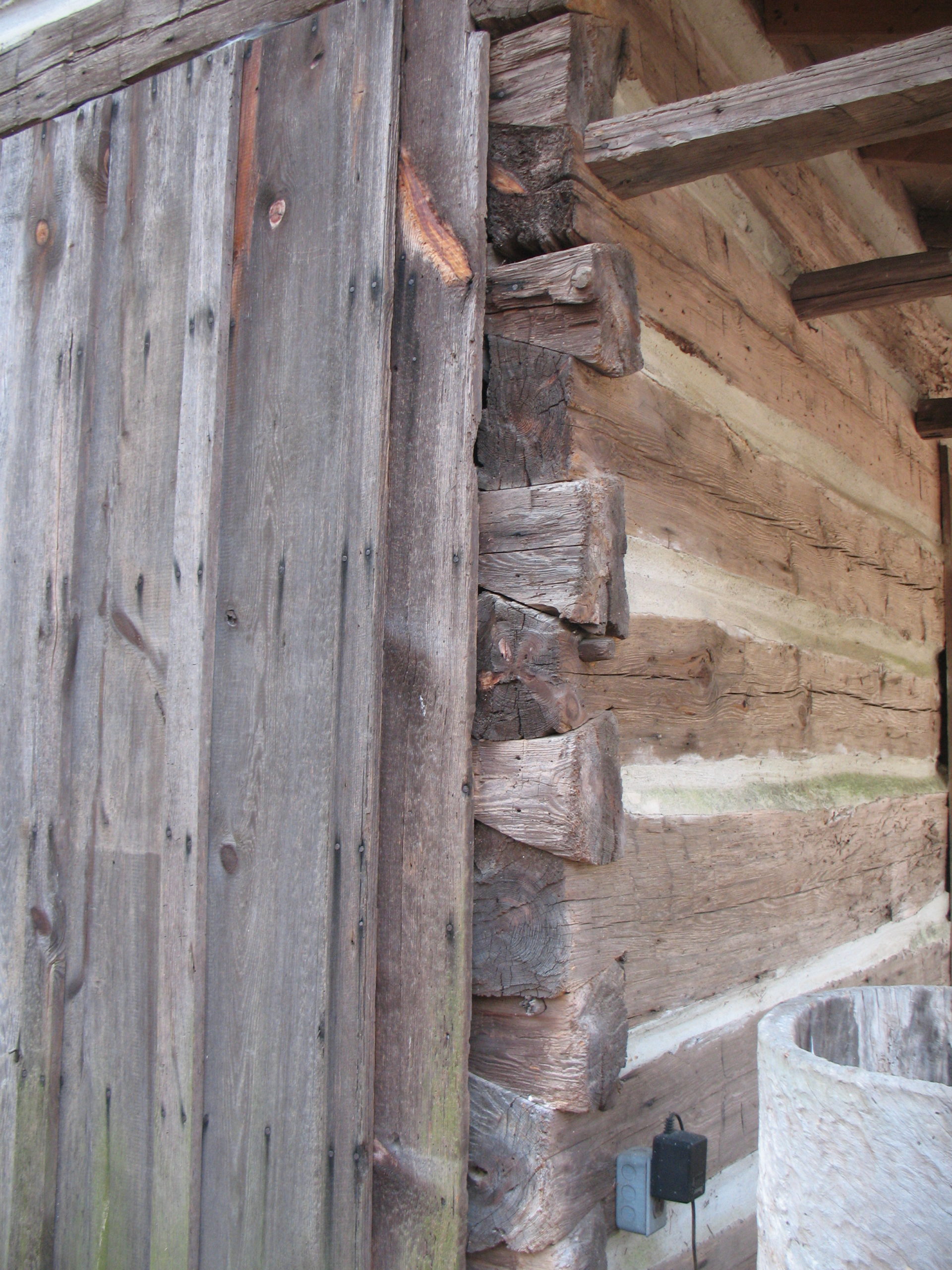
A relative of the Spivey family noted that this hollowed out log used to hold water
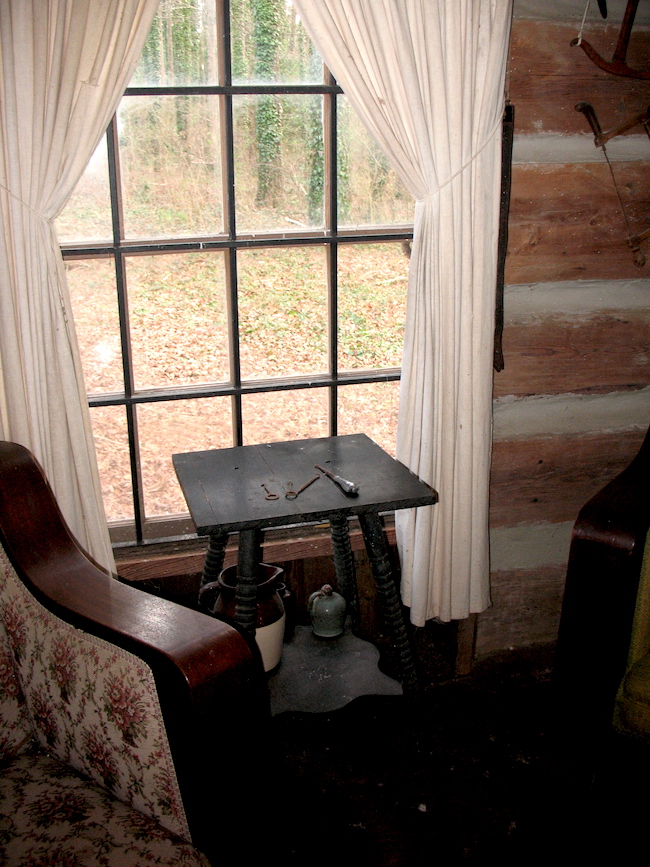
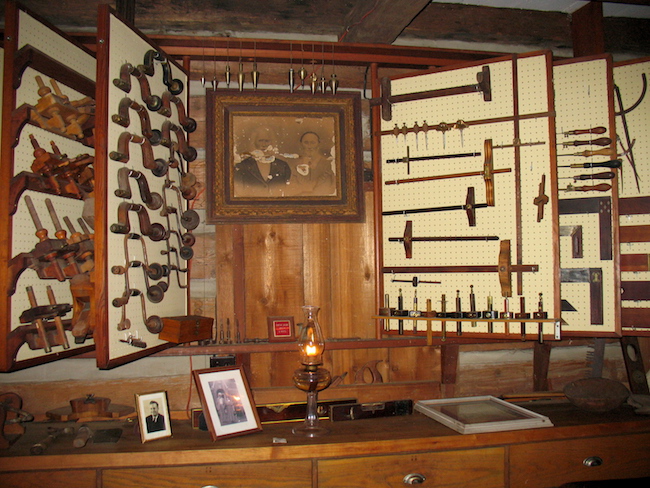
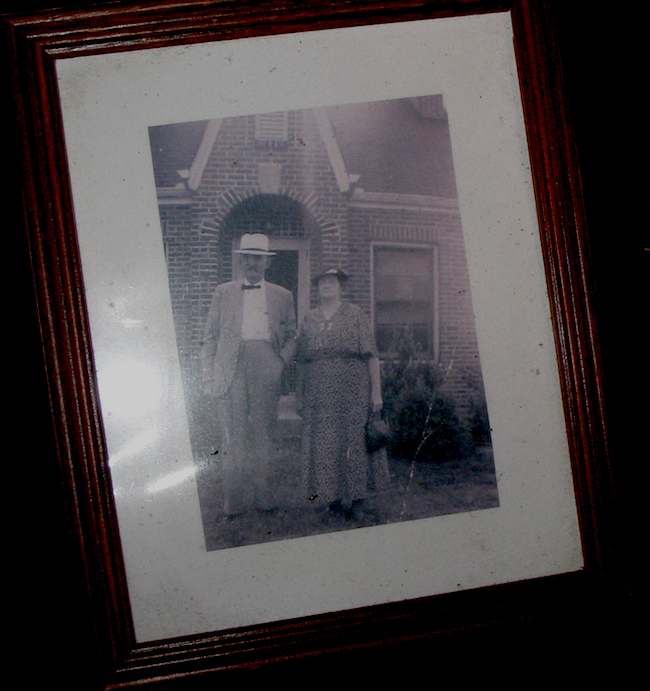
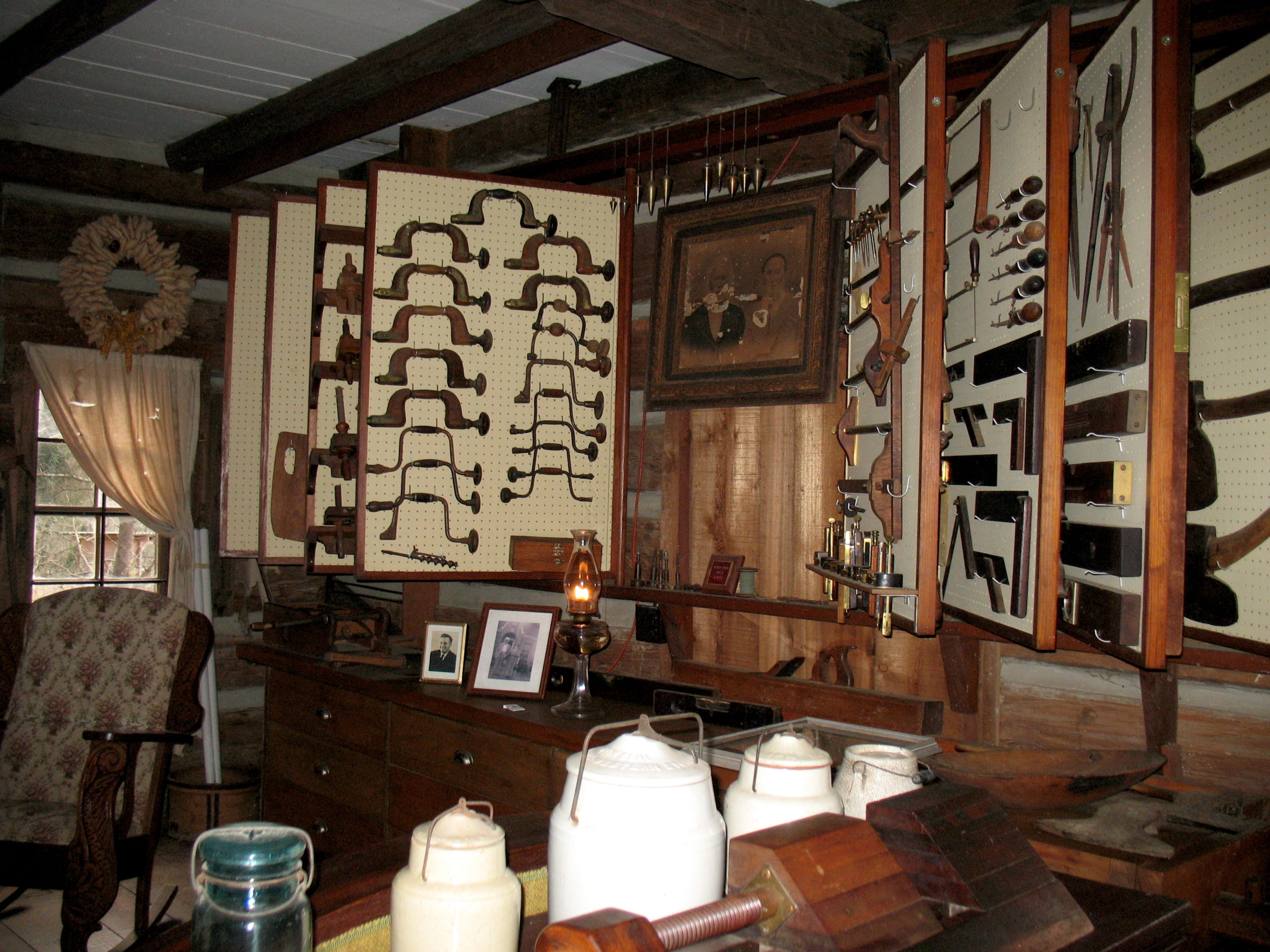
Historic tools and photos, Spivey family collection
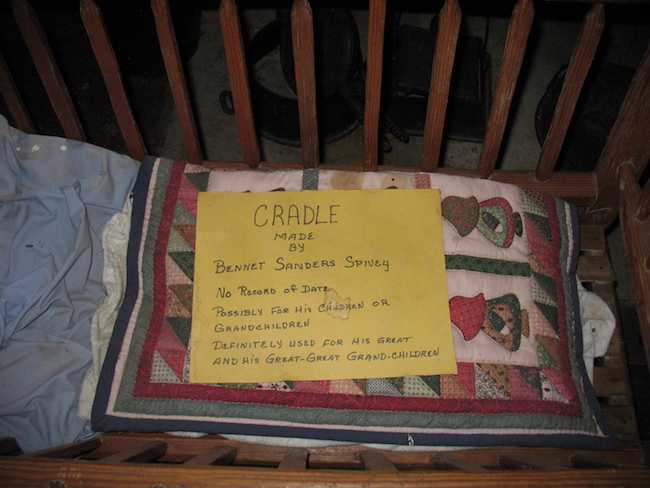
Cradle made by Bennet Sanders Spivey
An organized and strong community will come together when under threat from rezoning or development, like the best of families in a crisis. Rather than fall apart, splinter or distance themselves during stressful times, these neighbors show concern and stand for each other, for the urban forests and wildlife that live there. They appreciate a quiet oasis in the midst of a raucous city, but more than that, they value their own thriving and nurturing neighborhoods.
They may not have amenities, like a coffee shop to walk to, or even walking trails like developers always promise, once they’ve graded and mostly destroyed the land. But the neighbors know that Red-tailed and Cooper’s hawks live in the tall pines and that coyotes and deer wander through streambeds at night. Those are the ‘amenities’ they value the most.
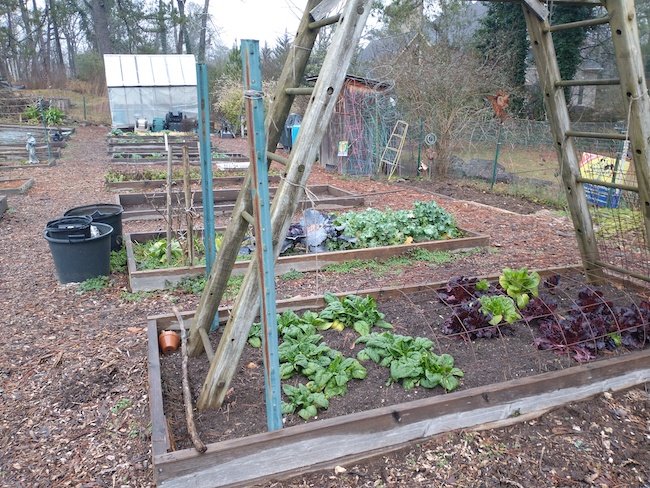
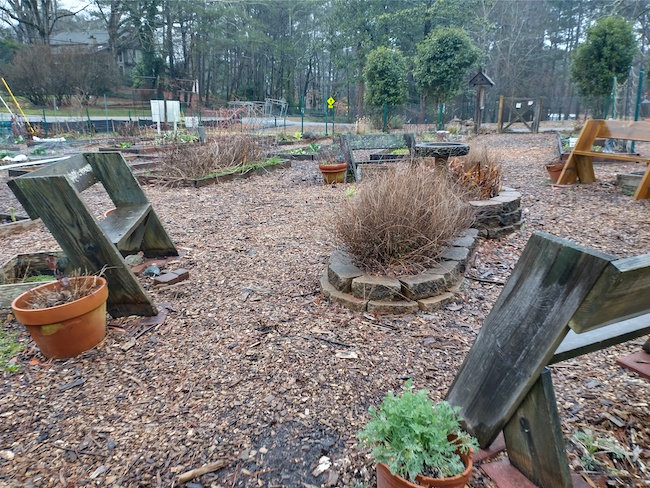
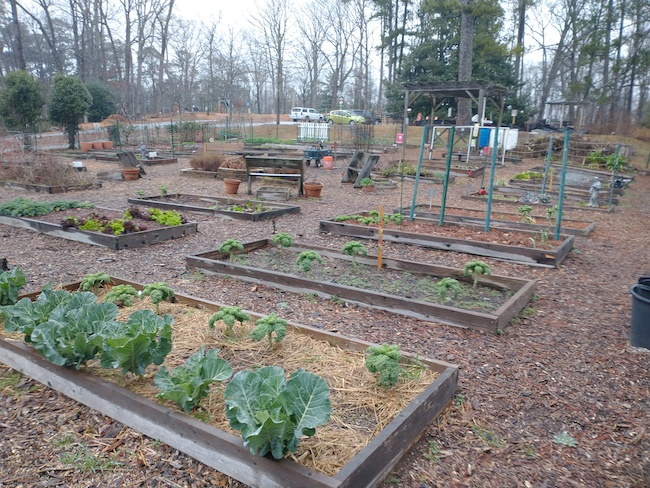
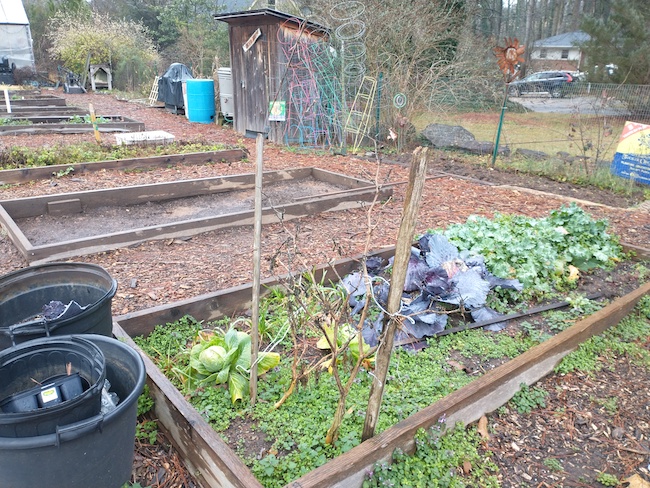
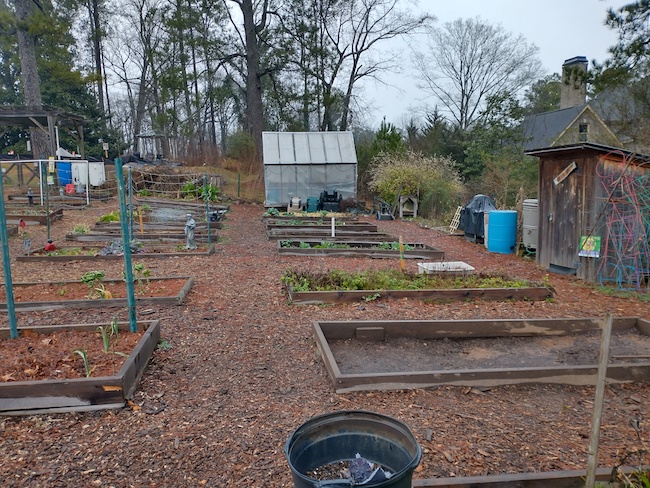
Another established neighborhood on Henderson Rd has a lovely park with trail system that meanders a couple of miles around Lake Erin, and offers a large network of community gardens. I was out there one cold, rainy morning with few other folks walking their dogs or just walking. The gardens were a highlight.
Healthy looking collards and spinach
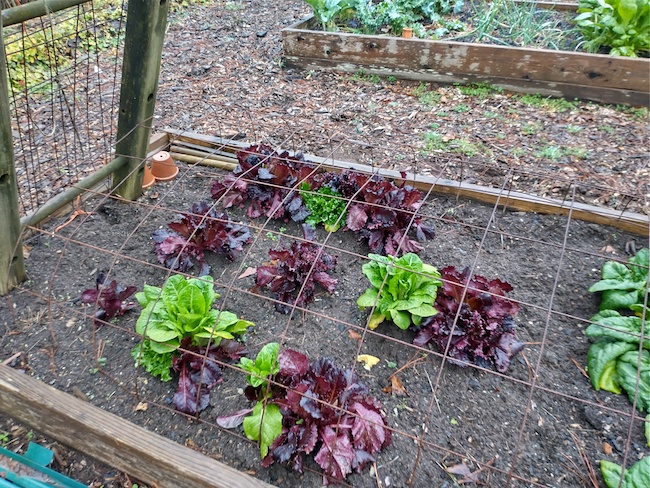
We can grow lettuces outside year round now.
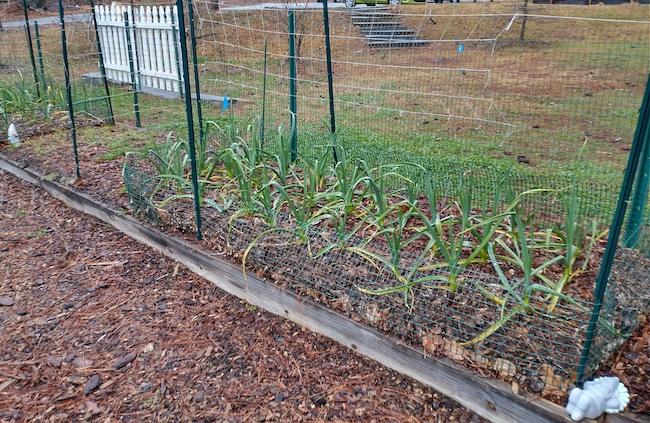
Leeks survived the winter in my gardens too
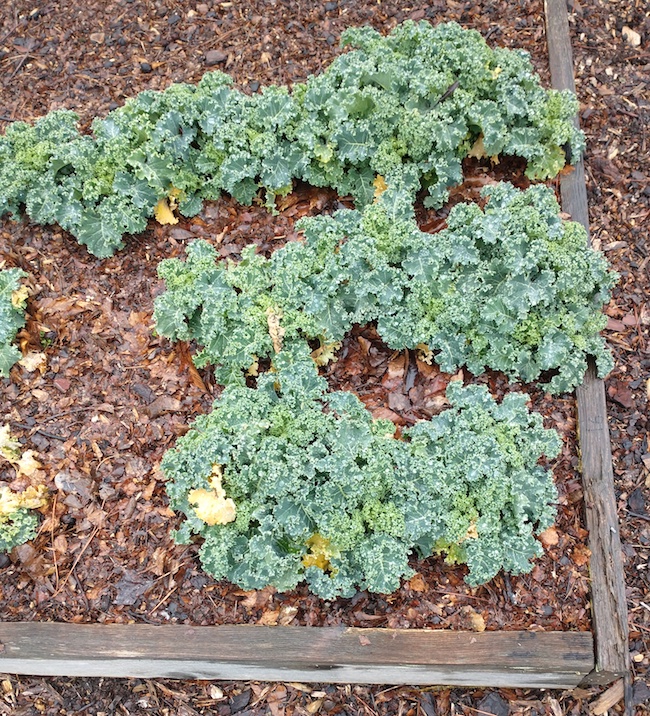
Kale loves cold weather
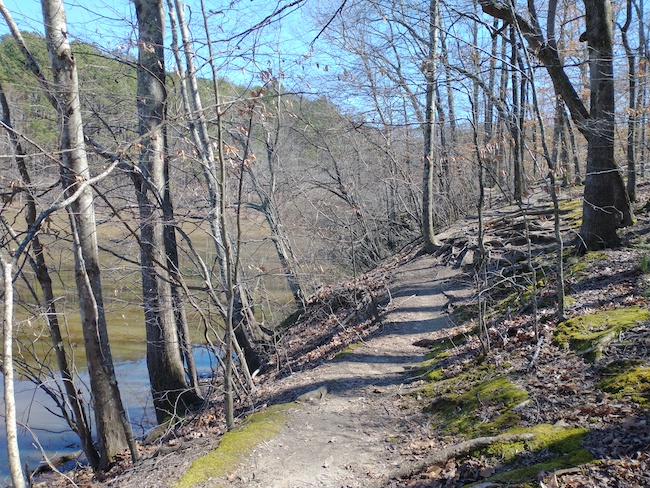
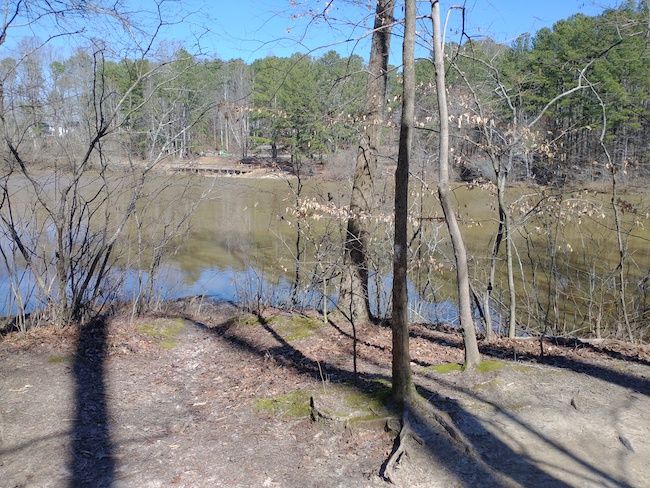
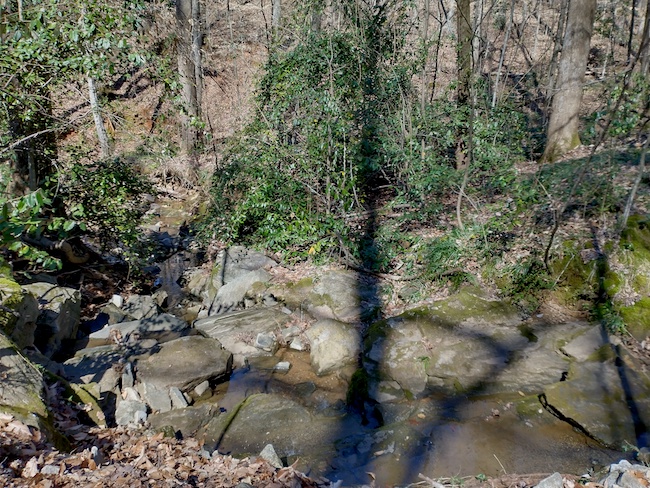
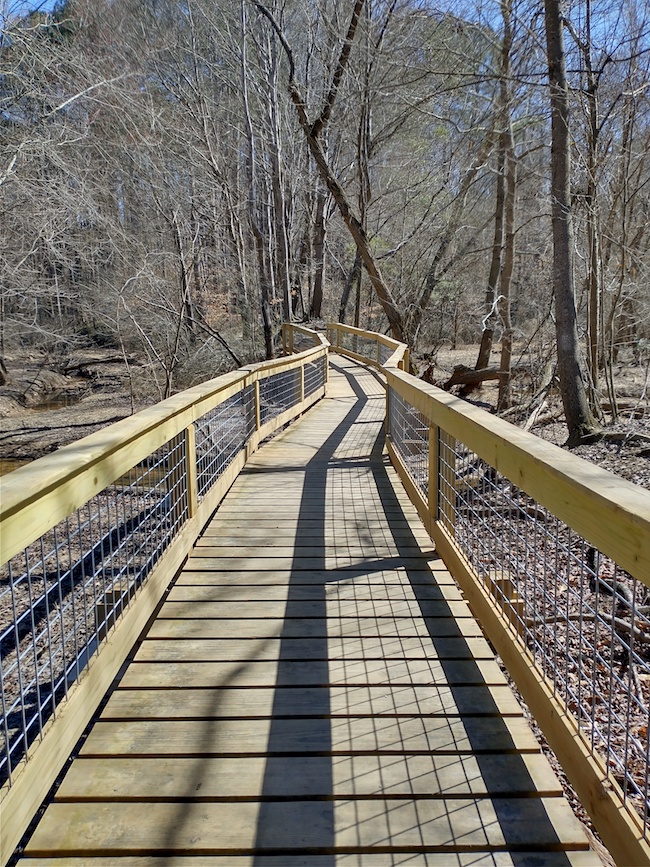
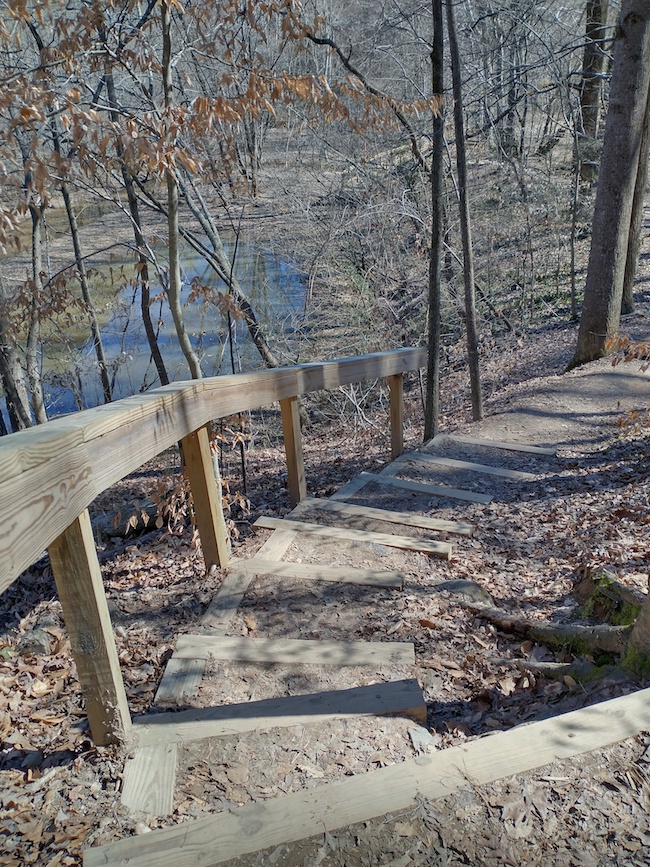
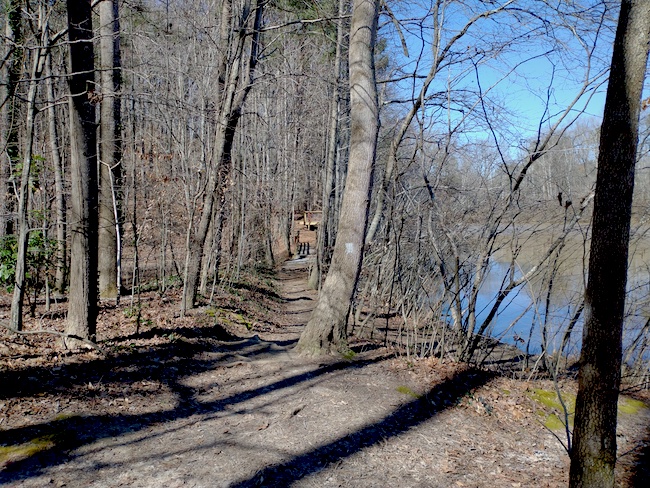
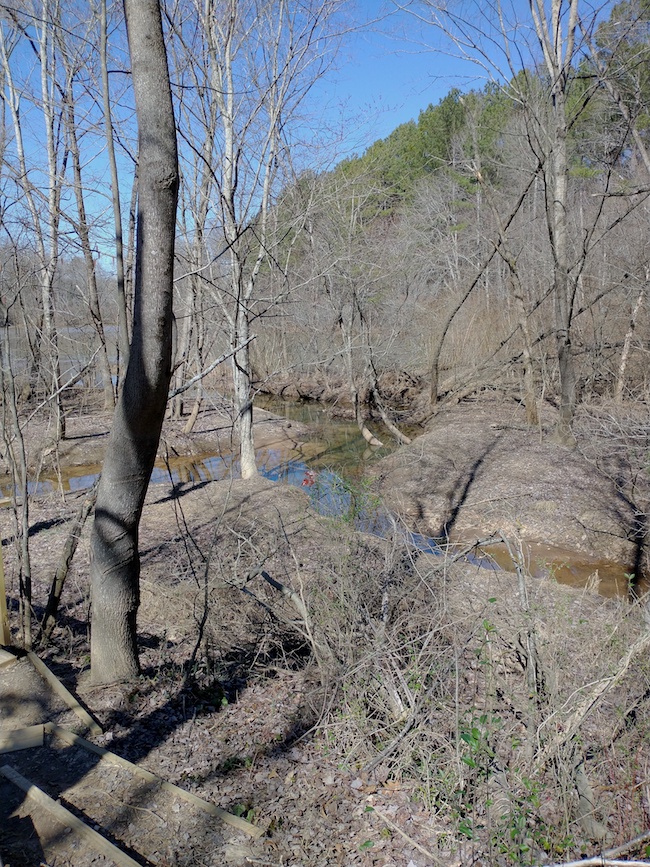
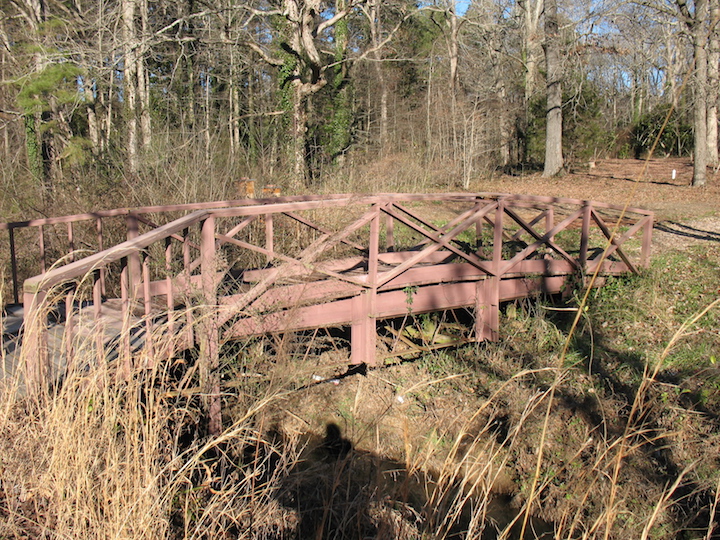
I returned on a sunny day to hike the trail around the lake. Muddy in places, there are handy elevated walkways to cross the stream. A popular park in Tucker, but almost everyone who crossed my path politely donned their masks when approached. Hiking Atlanta’s Hidden Forests is a gem of a book on urban walks in the metro area by veteran hiker and naturalist Jonah McDonald. I especially appreciate that he notes champion or specimen trees along the way.
When I lived in San Francisco my guidebook to urban walks was Stairway Walks of San Francisco by author Adah Bakalinsky, now 97 and honored with a staircase near Buena Vista Park named after her and a 2004 Beautification Award. I may have walked almost every hidden staircase in the city between 1997 and 2001.
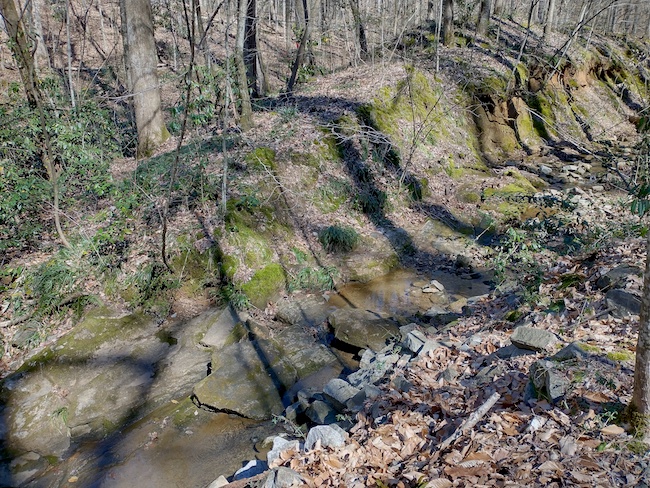
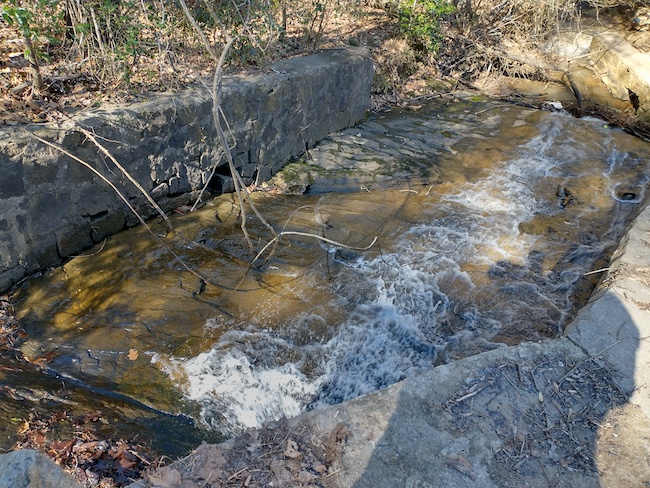
The North Fork of Peachtree Creek feeds into Lake Erin, runs throughout the park and to the west at Mercer University
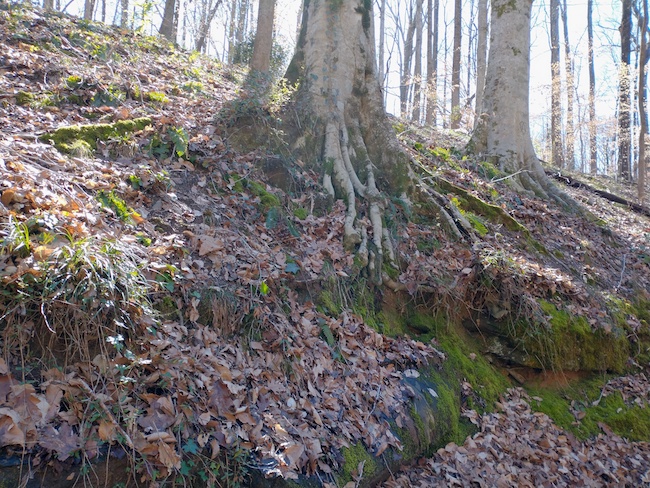
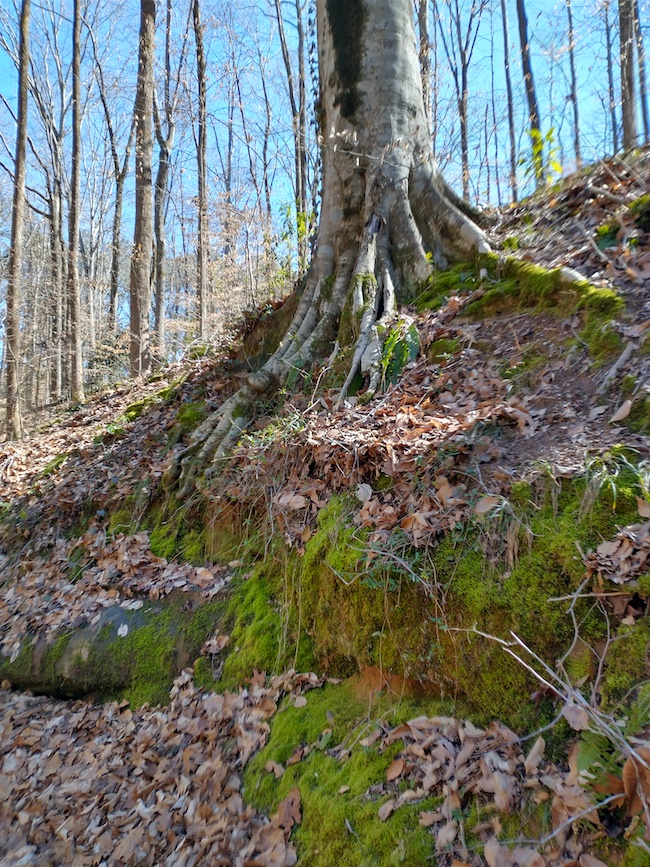
The beech forest in the park has some beautiful specimens clinging to the hillside
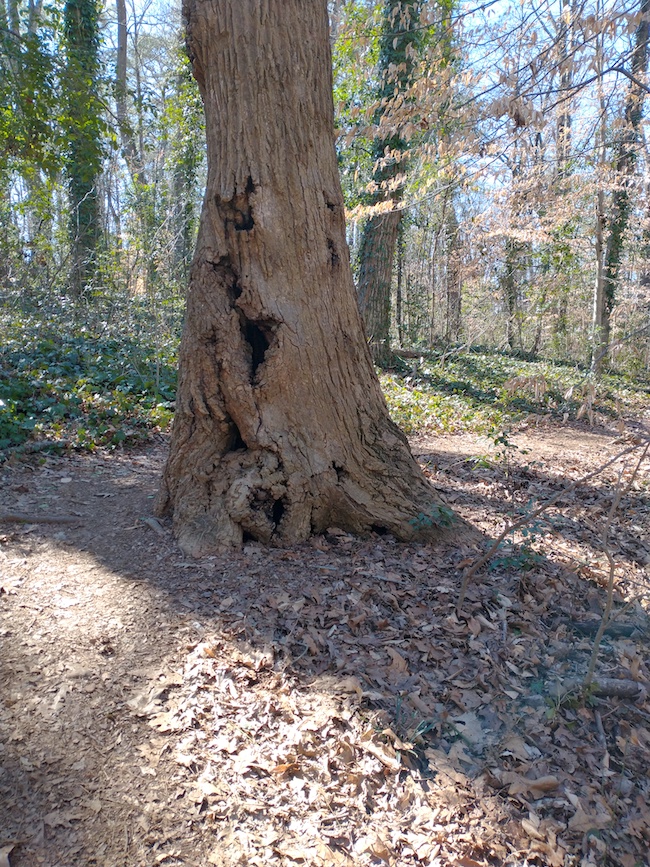
This tree’s trunk was almost completely hollow, proving that some trees can be highly compromised and continue to live on
Change to an area can either be gradual or sudden, and in the latter case it’s usually a shock to neighbors who have lived their entire adulthood in one house, in one neighborhood and in one city. For those who’ve traveled extensively and lived in a variety of locales, flexibility and an open mind help to prepare for sudden change. Sometimes it can pleasantly surprise us.
Navigating the perils of urban growth and development often means walking sites that are currently fully wooded or contain parcels of beautiful old growth forests. Single family lots in the metro Atlanta area may have significant specimen trees that are hundreds of years old. This post is about two separate large tracts that I walked recently with allies who helped my neighborhood challenge annexation last year from the then Clarkston mayor, who is now a DeKalb commissioner. Ironically, his new role is to protect resources (land) in our overlay district and prevent annexation into a new cityhood.
Reed Ave., Scottdale
Because the state of Georgia was developed relatively late compared to the northeast, we have more tree canopy and larger areas of undeveloped land. Here in DeKalb County, primarily agrarian until the 1960s, many streams and lakes contribute to topographical challenges for development. However, that hasn’t stopped developers from buying up cheap and often difficult land.
Up for grabs in Scottdale
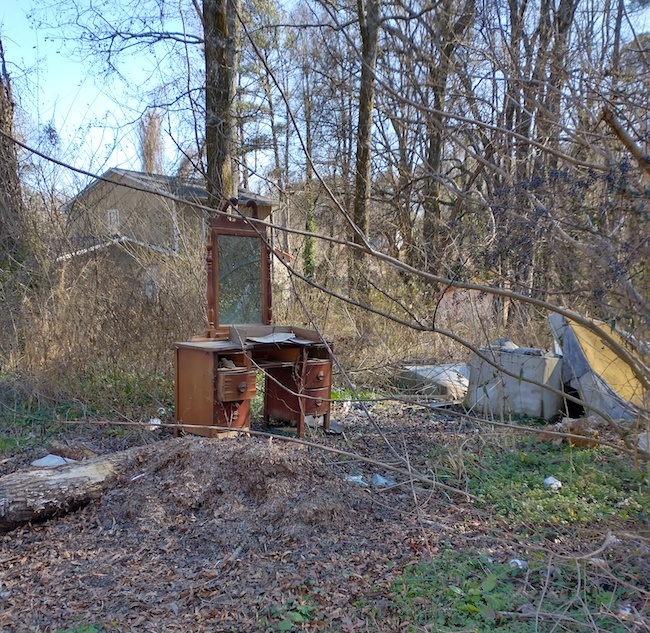
House fire on Herndon Dr., Scottdale – with an exiled vanity.
Activists tend to call on each other for help to protect their environments, and in turn their communities, from bad rezoning efforts or rookie developers. Paradoxically, inexperienced developers tend to be the worst for degrading the land and/or devaluing adjacent properties. The good guys know to follow county or city ordinances and are more likely to respect the community’s concerns. They prefer to build good will, which enhances their reputations. Not often is that a win-win, but with experienced folks on the community’s side who understand zoning and code, the environment and our neighbors will have a better outcome.
The city of Atlanta has NPUs (neighborhood planning units) of citizen advisories that function as a first line of defense for neighborhoods under pressure to develop or increase density through zoning. When I lived in PA outside Philly, the thousands of municipalities in the state had city councils and historic commissions that functioned similarly. DeKalb County employs Community Councils with commissioner appointed member volunteers who are offered free training to learn rudimentary urban planning and the role that zoning plays in land use.
About 4 large lots that total +35 acres on Norman Rd. in unincorporated Stone Mountain, close to Clarkston are being considered for rezoning from R-85 for rental single family homes. I only found out about it recently from a friend who lives near another development that I helped to challenge a couple of years ago. We weren’t successful, the developer requested annexation from DeKalb County into the City of Clarkston, which has less stringent regulations and ordinances than the county. He won, the City under their then mayor caved to his rezoning and density requests despite their Planning person’s opposition; the community lost another fully wooded 6 acre tract on a stream buffer tributary of Snapfinger Creek.
Unusually, the attorney’s letter for the Norman Rd. pre-application community meeting does not state the proposed rezoning designation. The property is owned by heirs of the late Hugh Spivey, the lake’s namesake. A small contingent of neighbors were first made aware of the potential sale late last year. Rentals are notoriously iffy for residential areas, since they tend to devalue surrounding properties and can become a hazard through neglect and turnover. Details have to be specific about maintenance, management, etc. Most upscale neighborhoods prohibit rental properties in their midst, which states the obvious.
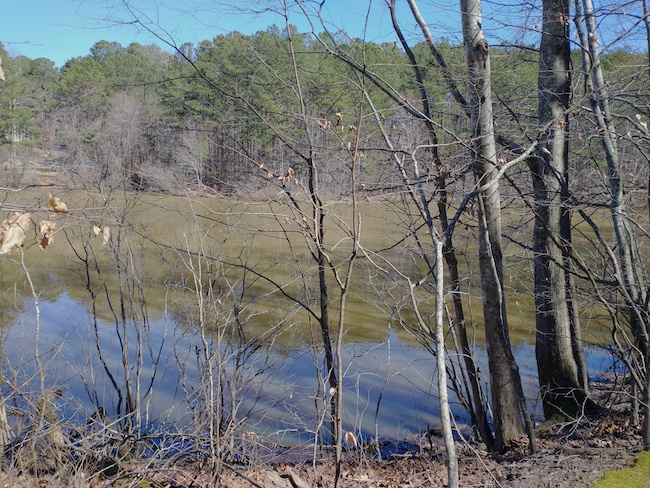
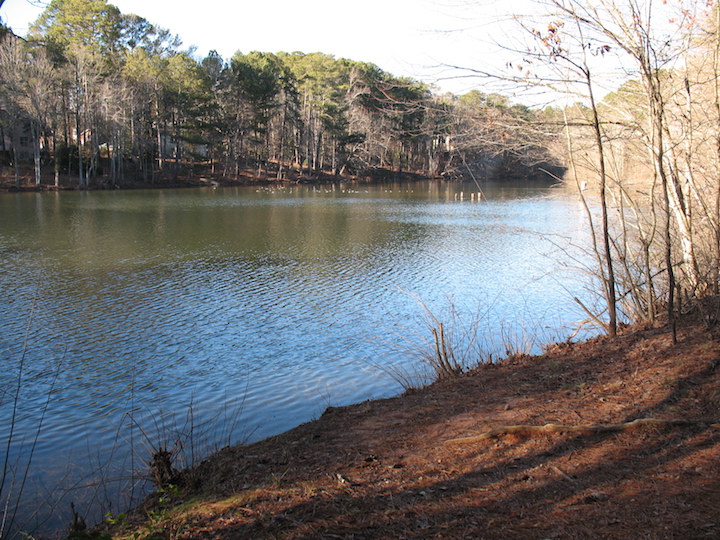
Hugh Spivey Lake, off Norman Rd. Stone Mountain, GA
The land at this site has been in the same family for 157 years
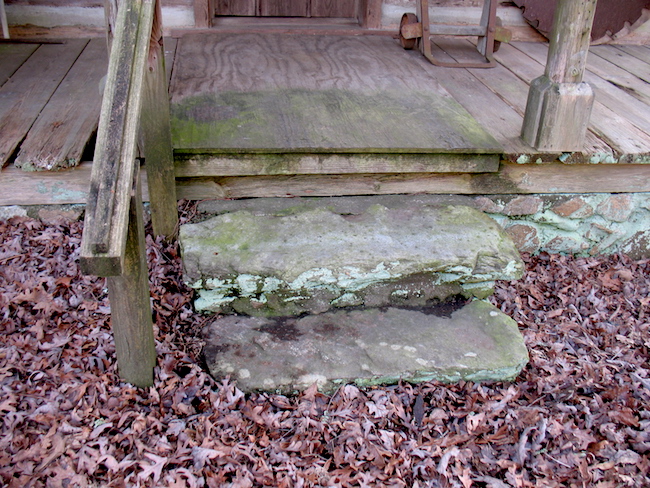
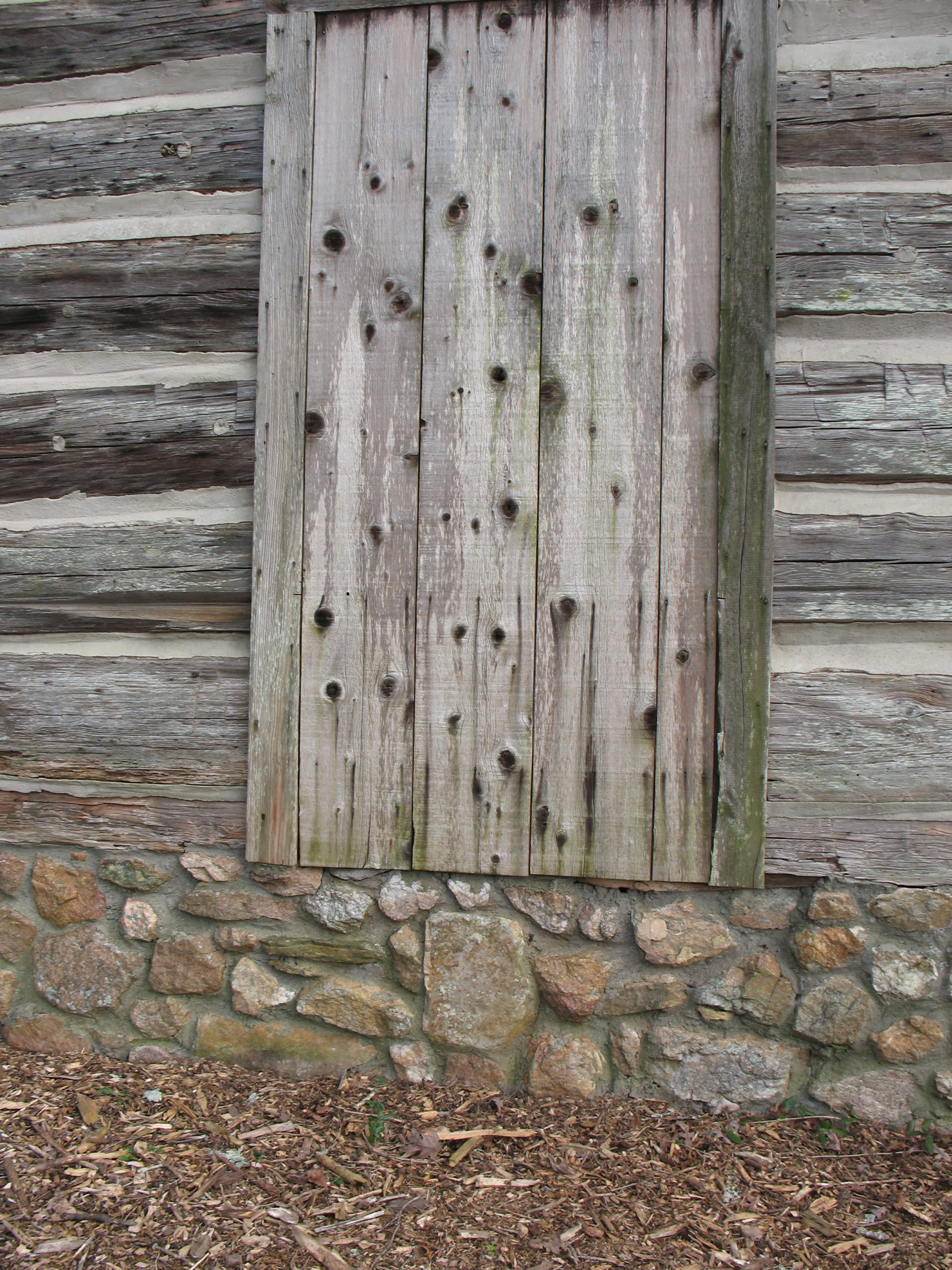
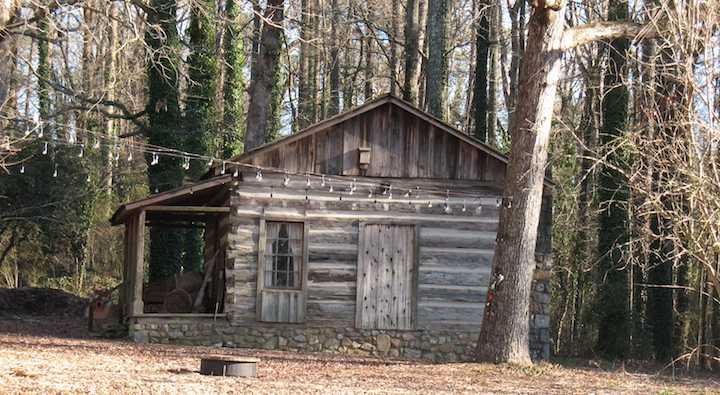
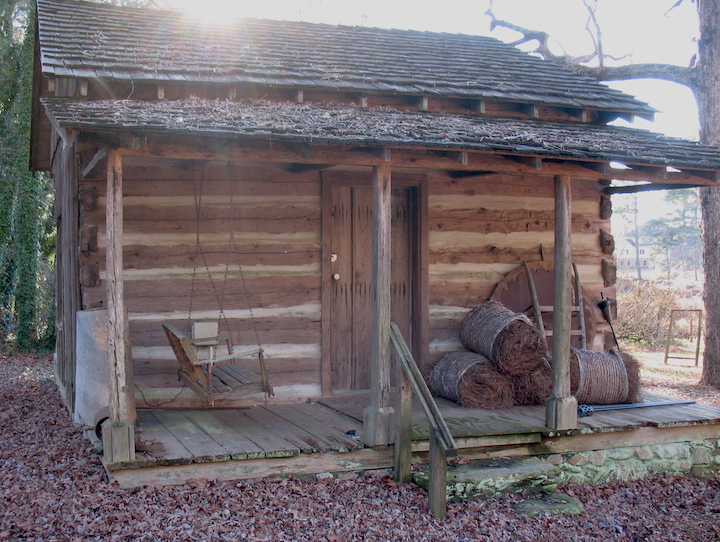
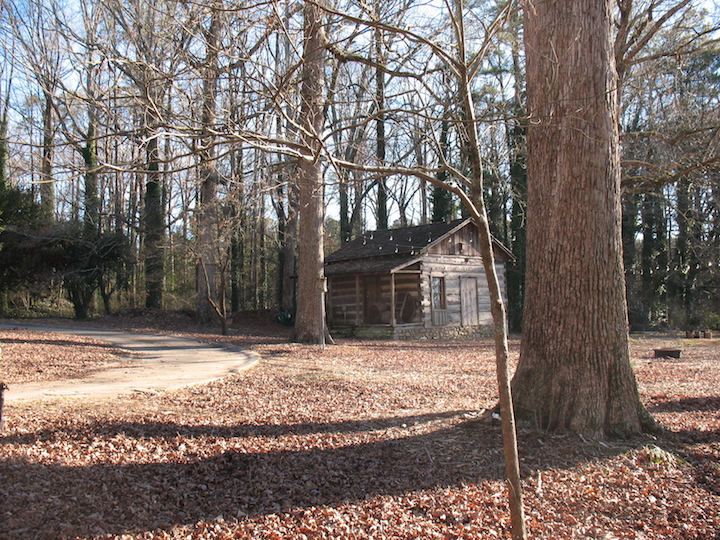
A neighbor told me this log cabin could be from the Civil War era, a letter sent to neighbors cites the 1860s.
Archivists at the DeKalb History Center have no record of the cabin, but will follow up with research
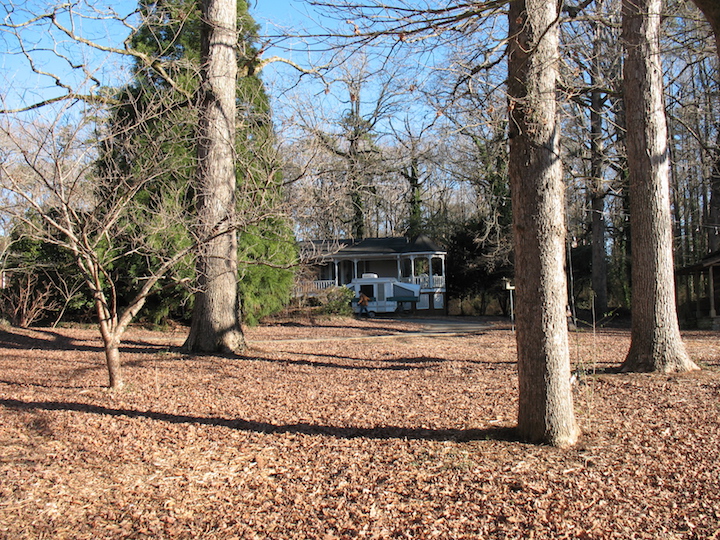
The main house was probably built in the early 1950s and added onto
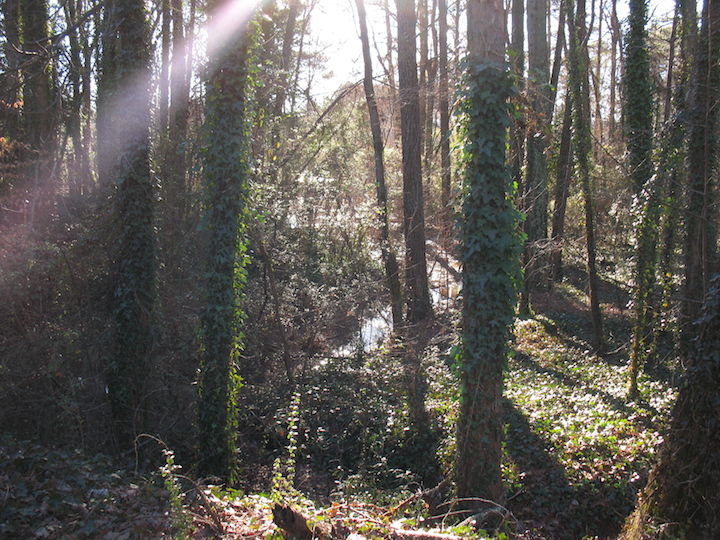
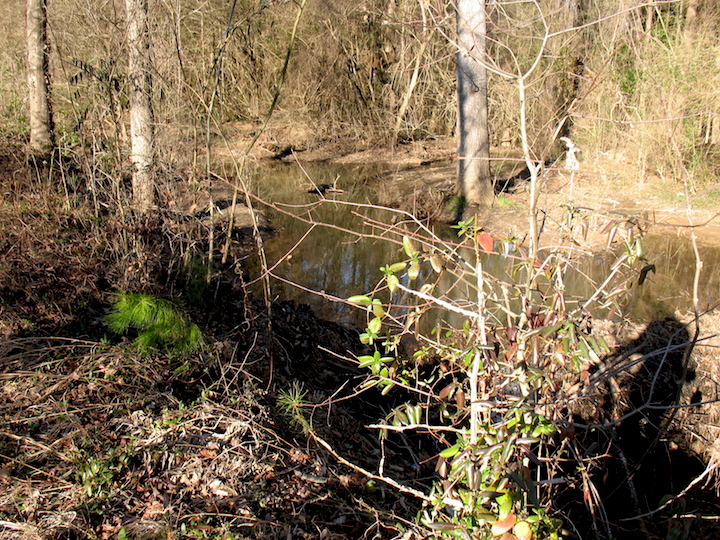
Snapfinger Creek’s tributaries run throughout the area
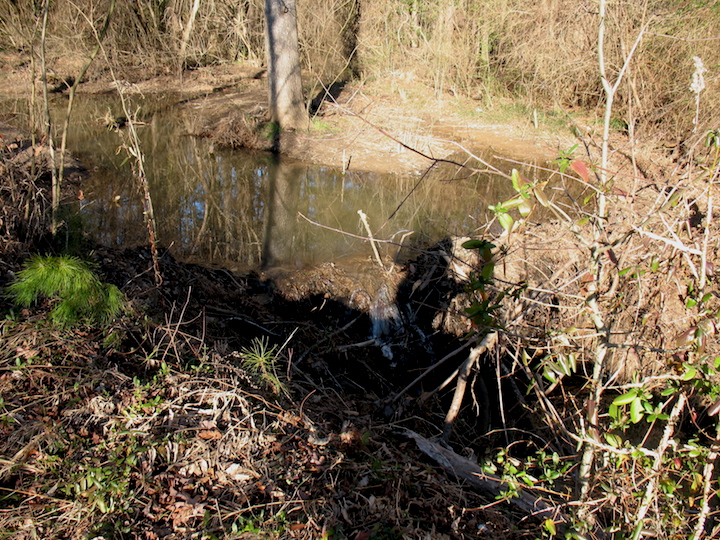
The neighbor leading the lake tour told me that beavers had dammed the lake further
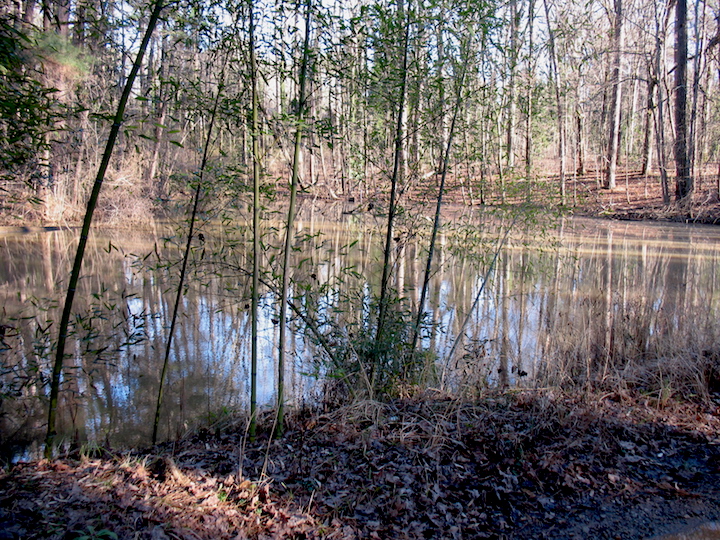
22 acres off Northern Ave. between Sandy Woods Lane and Indian Creek Way is being targeted for rezoning from R75 to RSM in order to build about 150 single family units and townhomes. I’d met a few of the neighbors who live along Northern in last year’s annexation meetings for my overlay district and we connected again in early December, after a community meeting about this project. One of those neighbors was also invited to walk the site last weekend, an artist who’s been living in Atlanta since the mid-late 1970s like me. Noting mutual friends and acquaintances, we discovered that we’d also participated in the same large group exhibits back in the 1980s, during Atlanta’s early Mattress Factory and Biennale shows. She had a Blue Rat gallery t-shirt on that day, a now defunct gallery where I had exhibited. Artists are no brainers as environmental activists.
The community is united in opposing the rezoning and the number of new units. Increased traffic on a narrow collector street, floodplain and drainage issues that will most likely affect adjacent properties and the inappropriateness of the project in a purely low density residential area are just some of the opposition’s concerns.
Northern Ave. property. Large granite boulders on the site may indicate the need for blasting, the use of dynamite can adversely affect foundations of nearby houses
The wetlands to the back are marshy with a significant drop-off in the topography to the subdivision below
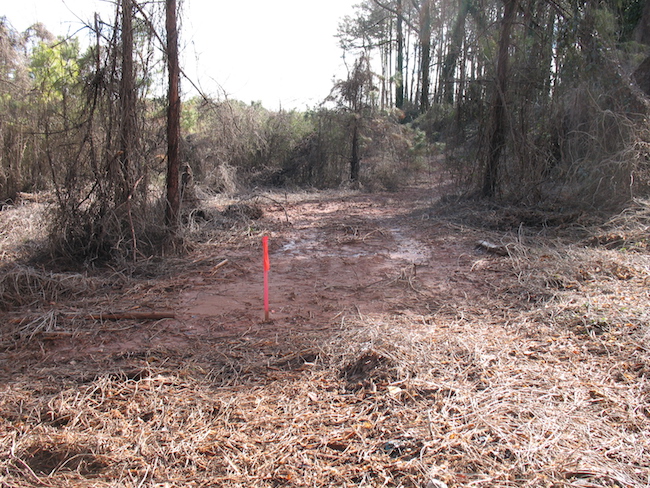
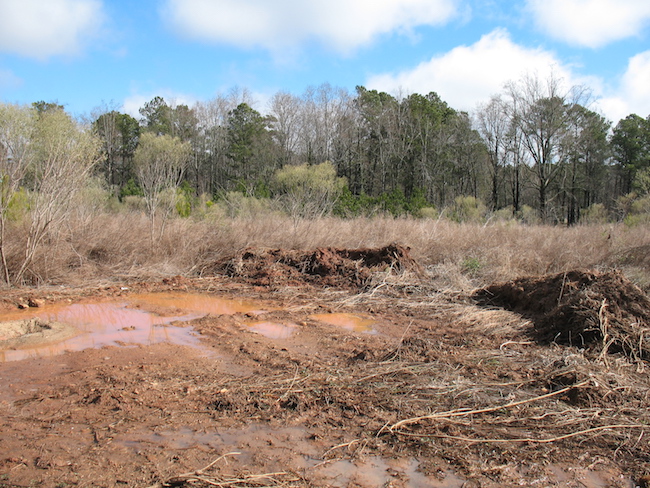
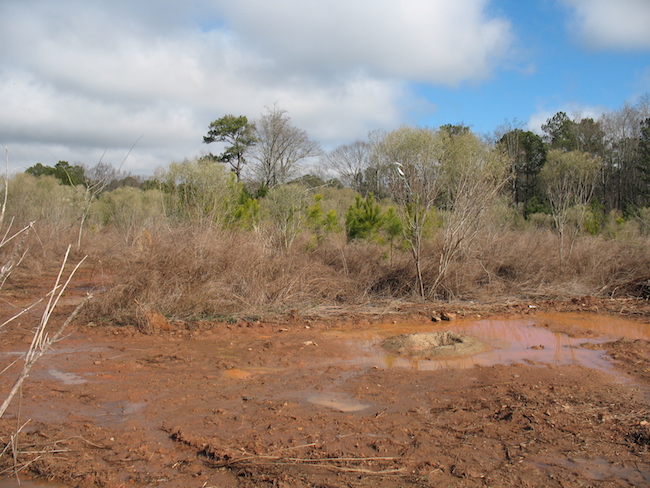
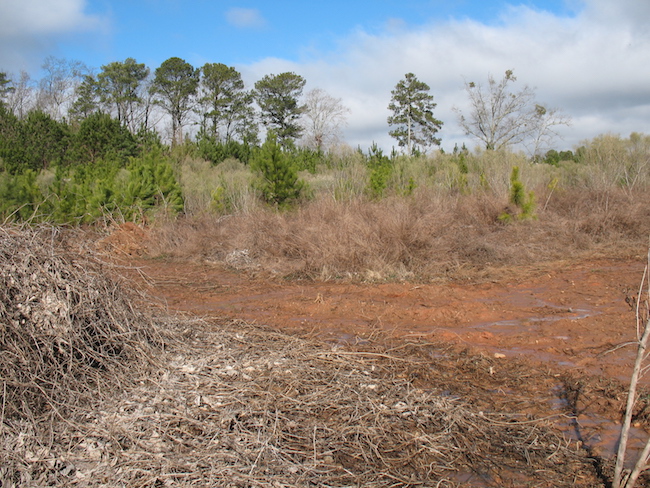
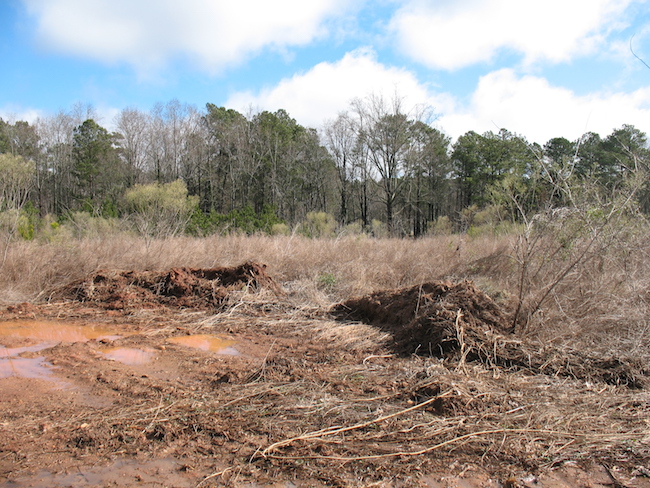
Heavy equipment has been on the property recently prior to the application approval, not normally allowed without adequate BMP (best management practices) in place. That includes black silt fencing and orange tree protection fencing
The two raised areas of disturbed soil are from the contractors’ recent drilling, probably for percolation tests
My work always relates to these land use issues, whether before the disturbance begins or afterwards. Recently on a walk when I had no expectation of inspiration, I stopped at the small detention pond behind me to sketch the cattails and long grasses growing in the pond. I had advised the developer back in 2015 to plant the grasses to absorb runoff, luckily she listened. Verticals, browns and ochres inform a new painting and the impetus is on to stretch more canvases.